
Columbia Quantum Highlights from 2025
It’s time to bid farewell to 2025, the International Year of Quantum. Take a look back at Columbia’s role in quantum history, and at some highlights from the past year.
Columbia has played a role in quantum history almost since the beginning. Max Planck introduced the term energy quanta, which gives the field its name, to North Americans during a lecture series at Columbia in 1909.
The German physicist Max Born coined the term "quantum mechanics" in 1925. Not long after that, recent Columbia graduate I.I. Rabi spent two years studying with Europe's leading scientists at the time. He brought their ideas and insights back to New York in 1929.
As theory gave way to applications, Columbians made several quantum discoveries that led to now commonplace technologies and went on to win the Nobel Prize:
- Rabi’s observations of magnetic resonance, which led to today’s magnetic resonance imaging (MRI).
- Charles Townes’ amplified electromagnetic waves; the result, lasers, are just about everywhere.
- Louis Brus’s connection between a particle’s size and the color of light it emits; these quantum dots have found applications in LED displays, solar panels, and biological sensors.
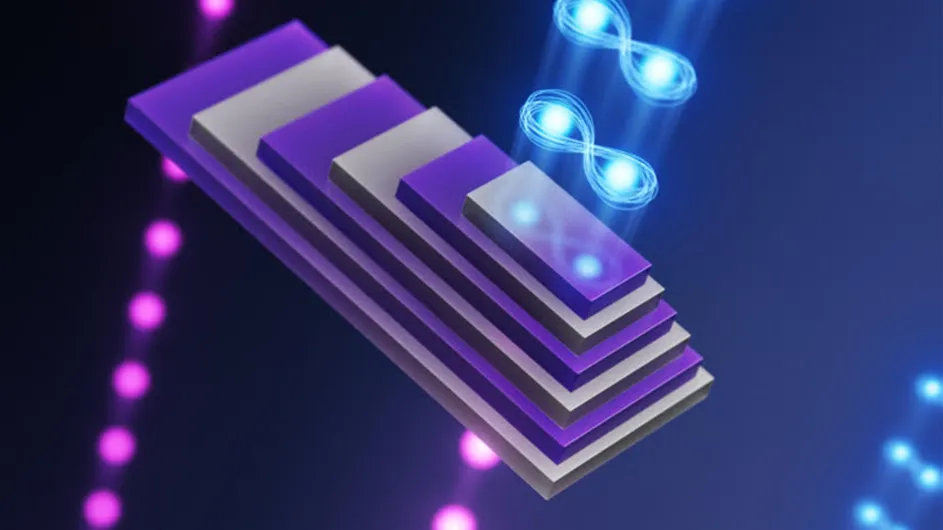
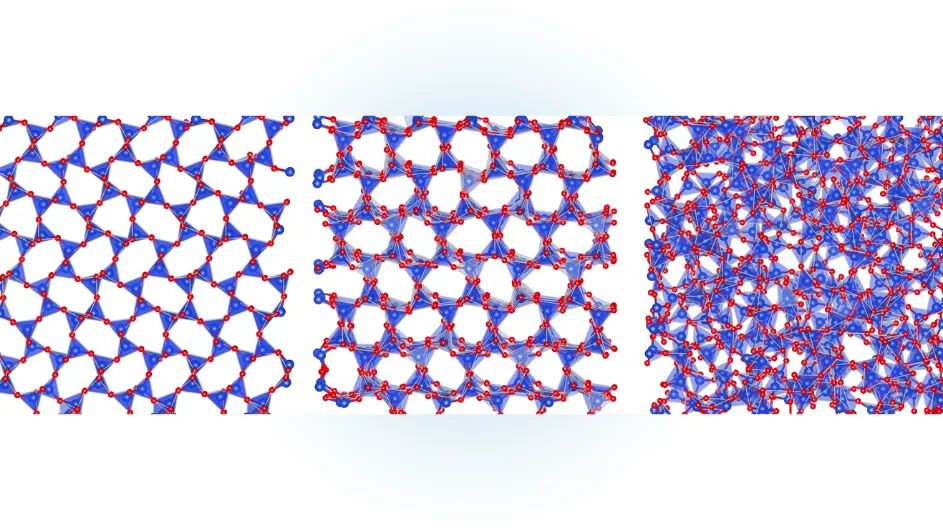
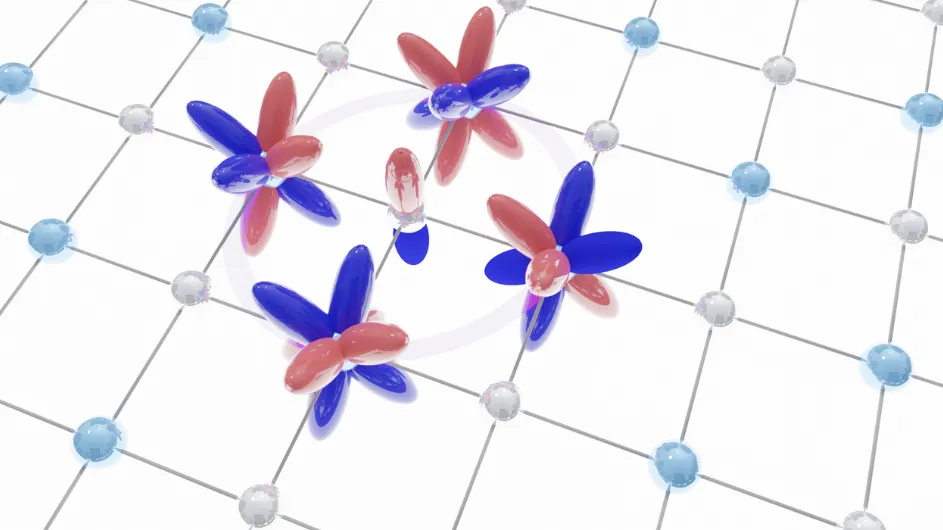
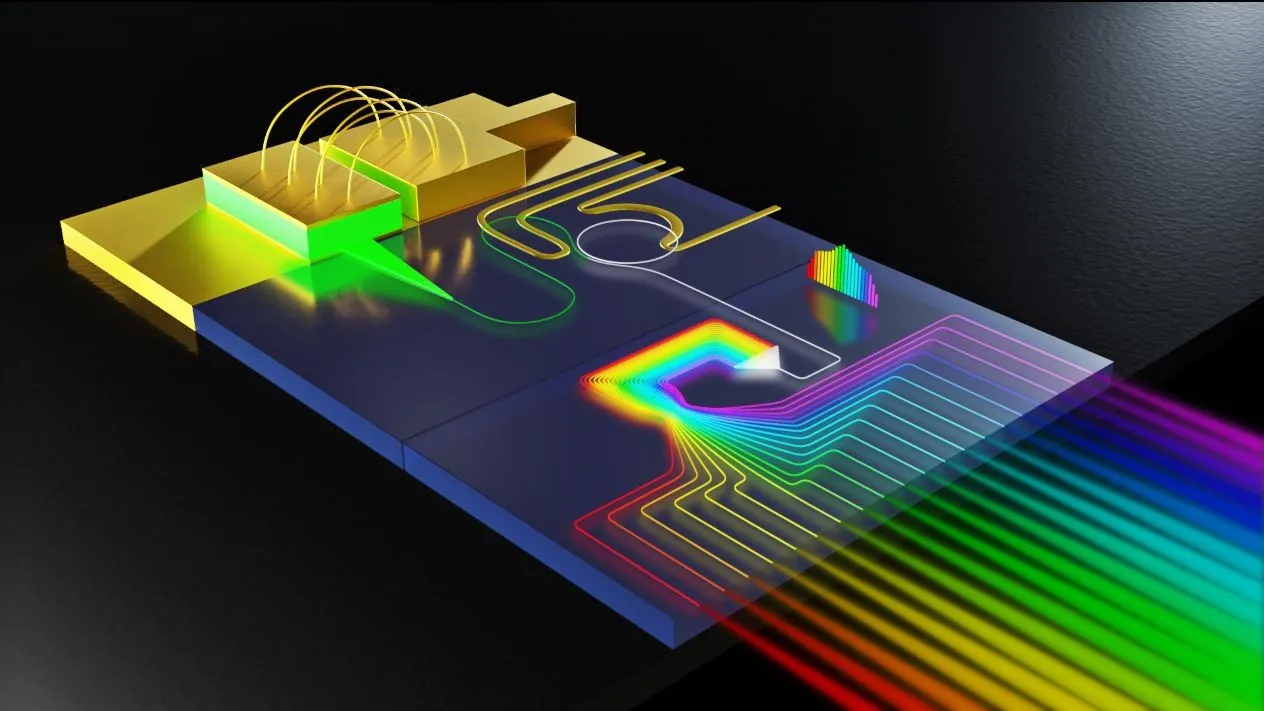
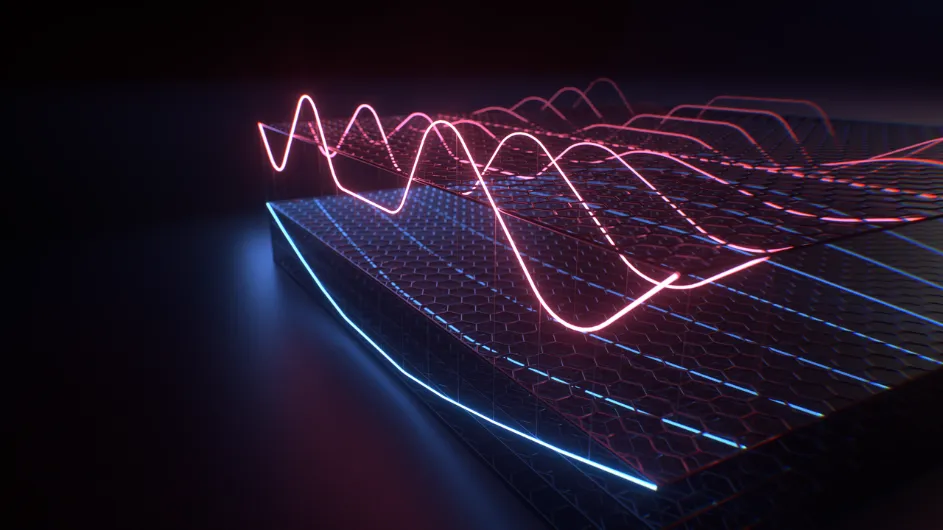
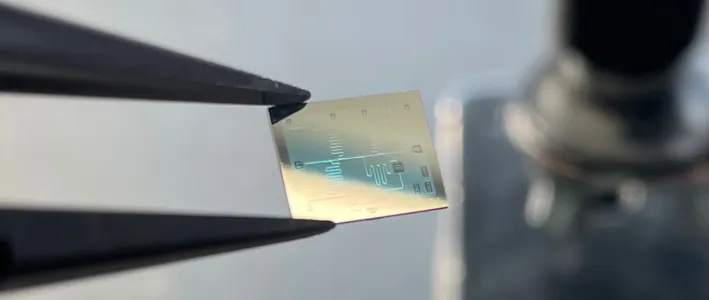
Today, Columbia is creating a quantum future with materials and light, laying the foundations for new real-world technologies, such as ultra-powerful computers, perfectly secure communication systems, and ultra-capable sensors that go far beyond what today’s technologies can achieve.
This year alone, physicists, chemists, mathematicians, and engineers at Columbia:
- Discovered nanoscale force sensors
- Engineered entanglement
- Explored new kinds of superconductivity
- Found unusual physics in a bad metal
- Identified new species in the "quantum zoo"
- Got frustrated—in a good way
- Brought high-power lasers to a tiny chip
- Wrote the playbook for perfect polaritons
- Joined New York's growing quantum network
- Found hidden features that can control quantum materials
- Prototyped a 2D qubit
- Took the temperature of integrated photonics
- Introduced metasurfaces to 2D materials
- Explained how disorder controls heat
...and more...
So what's to come in the next year, and the next century? Read more about delivering a quantum future at Columbia.