

The Columbia Physics doctoral candidate discusses many-body physics, quantum optics, and preparing for major presentations.
Columbia physicists capture new details about the insulator-to-metal transition in a quantum material.
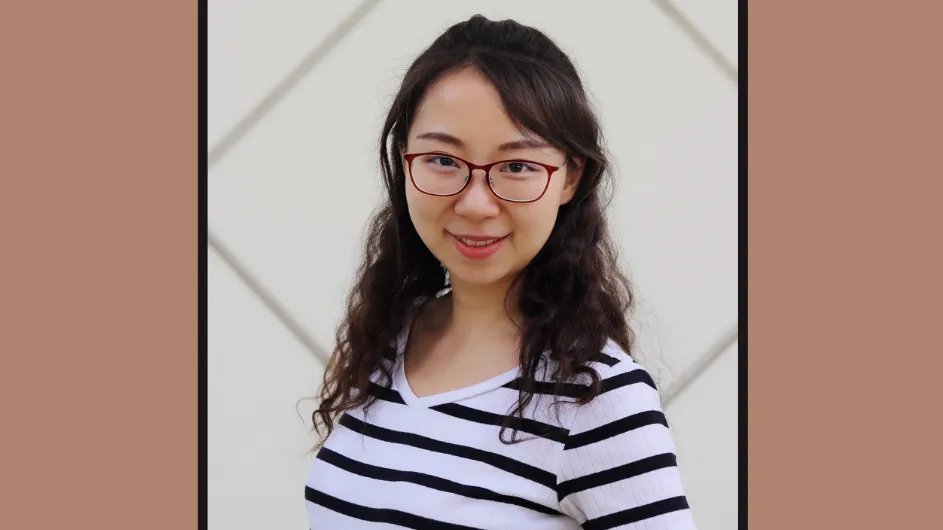
Dr. Zhang and her lab leverage the unique advantages of qubit-photon interactions to advance the frontiers of quantum science and technology. She will be an Assistant Professor in the Department of Applied Physics and Applied Mathematics at Columbia University starting January 2025.
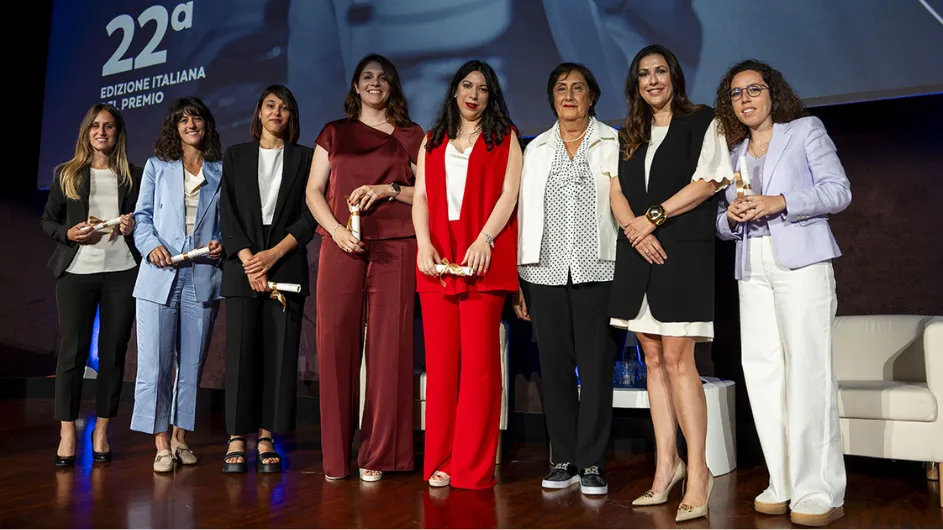
The Columbia postdoc is recognized for her work on photonics and quantum entanglement.
Including James Bartusek, whose work explores quantum information and cryptography.
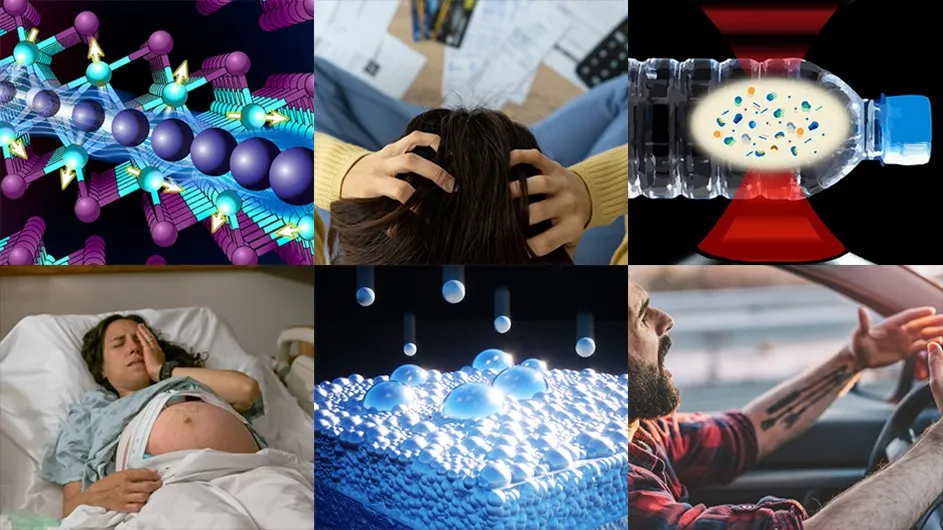
Columbia has had breakthroughs in medicine, neuroscience, AI, and other fields in 2024.
And the implications are enormous.
Making a Molecular Bose-Einstein Condensate
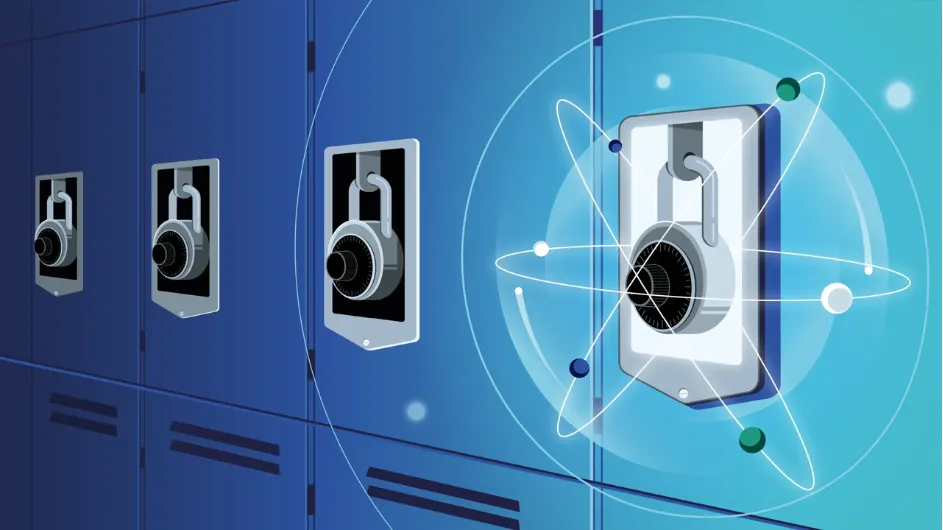
Researchers have proved that secure quantum encryption is possible in a world without hard problems.
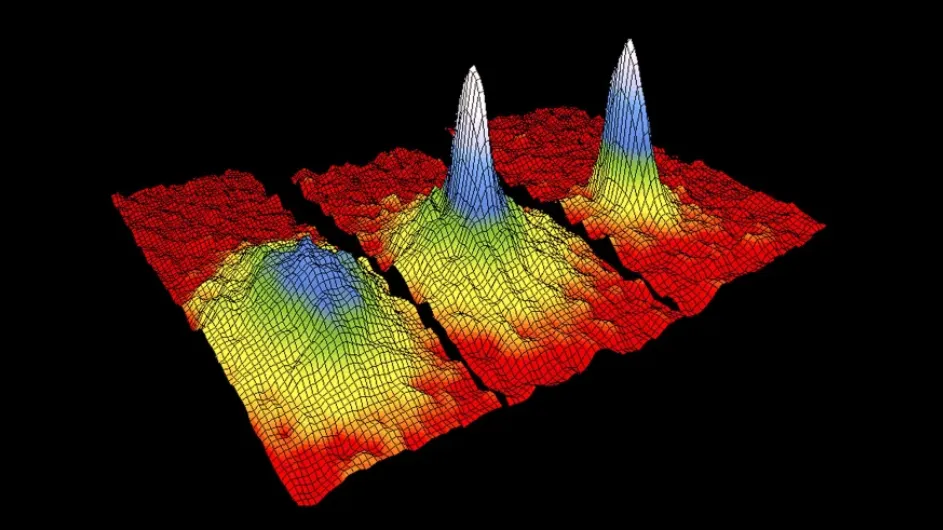
Molecular Bose–Einstein condensates could help to provide the answers to fundamental questions, or form the basis of new quantum computers.
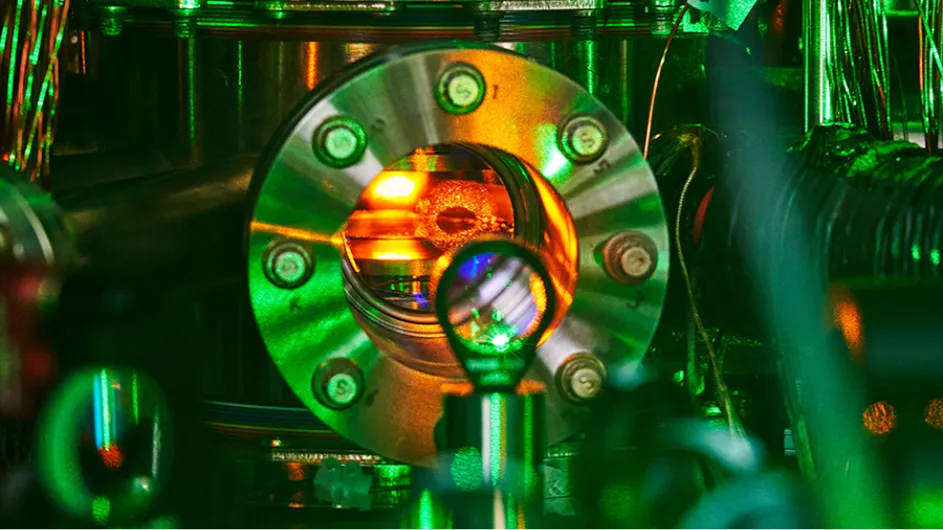
By employing finely tuned microwave fields, researchers limit collisions between molecules of sodium cesium and cool them down to 6 nK.