

Columbia physicists have taken molecules to a new ultracold limit and created a state of matter where quantum mechanics reigns.

The graduating senior talks about quantum computing, hackathons, and starting Columbia’s Science Olympiad.
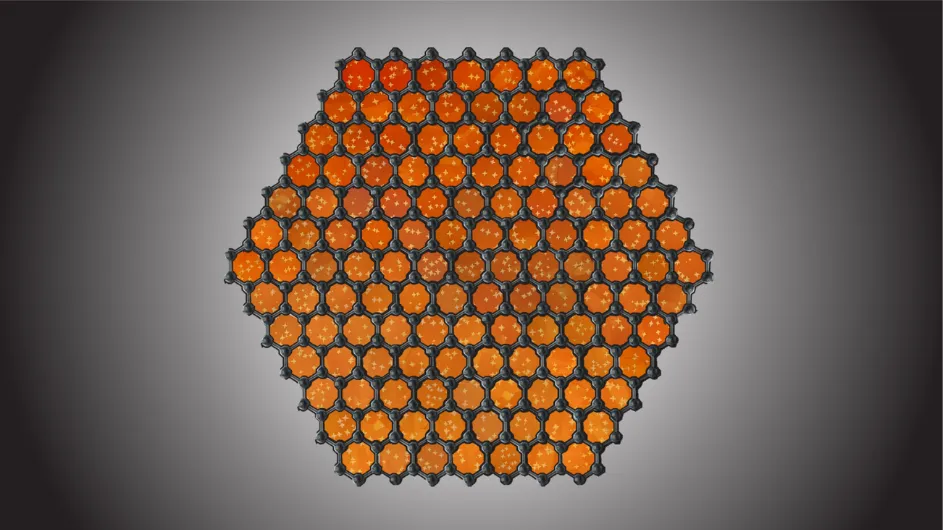
Columbia Engineers link oxygen to graphene quality and develop new techniques to reproducibly make the wonder material at scale.
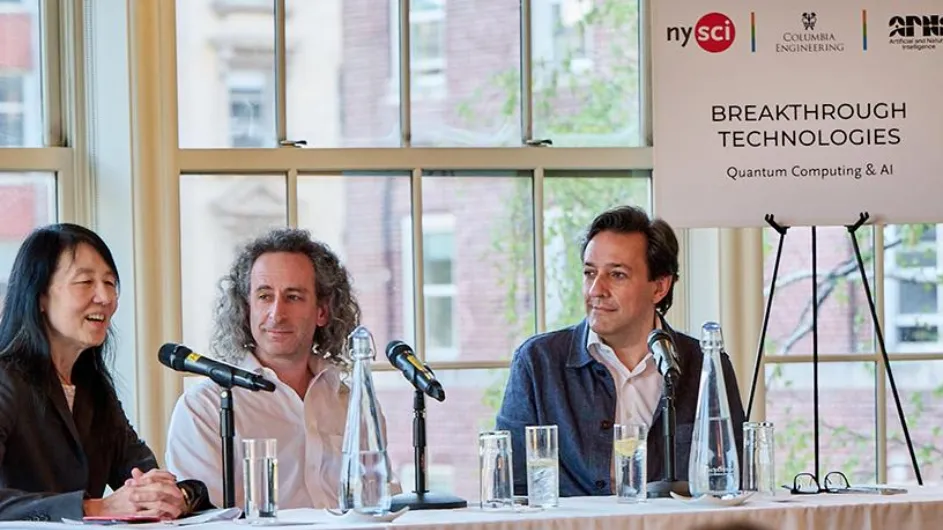
In its inaugural public event, ARNI collaborated with the New York Hall of Science to bring world-class experts in artificial intelligence and quantum computing.
The Simons Foundation has made notable contributions to quantum efforts at Columbia.
Michael Weinstein and colleagues published a mathematical theory that demonstrated how to engineer a 2D non-magnetic photonic crystal in which photons of light.
Optics and Photonics News covers the new laser-based nanopatterning technique from the Gaeta Lab.
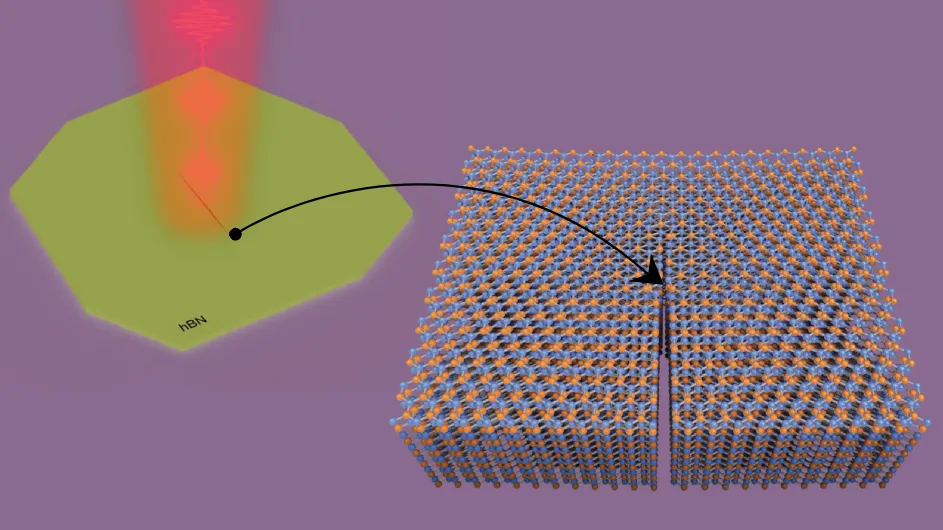
The new technique can modify the nanostructure of bulk and 2D crystals without a cleanroom or expensive etching equipment.
The winner of this year's Rhodes Prize for Materials Science, Kaylynn Chen, is interested in experimental quantum computing, specifically superconducting quantum computing hardware.
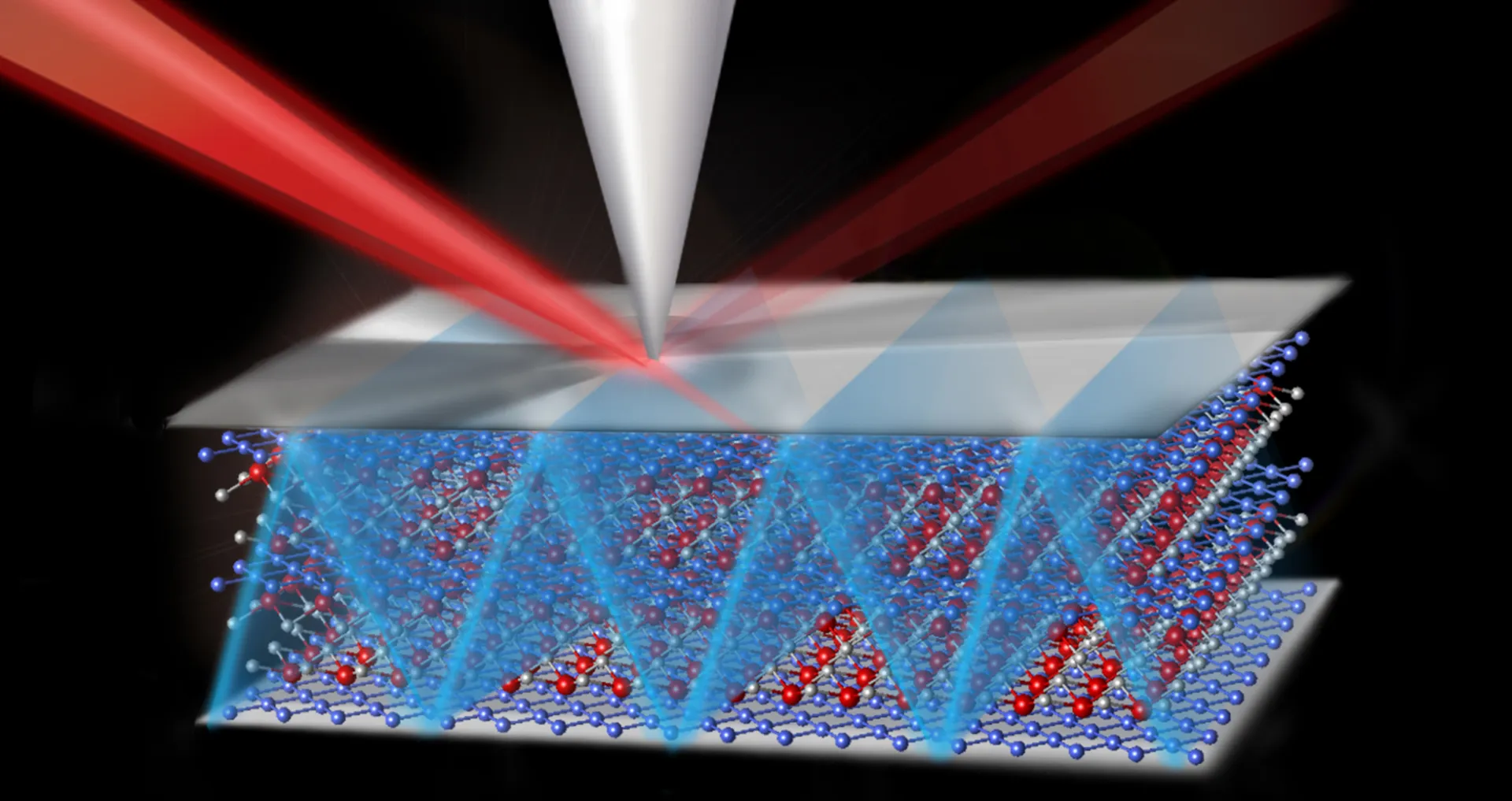
The Department of Energy covers recent research from Dmitri Basov's group on a light-propagating metal.
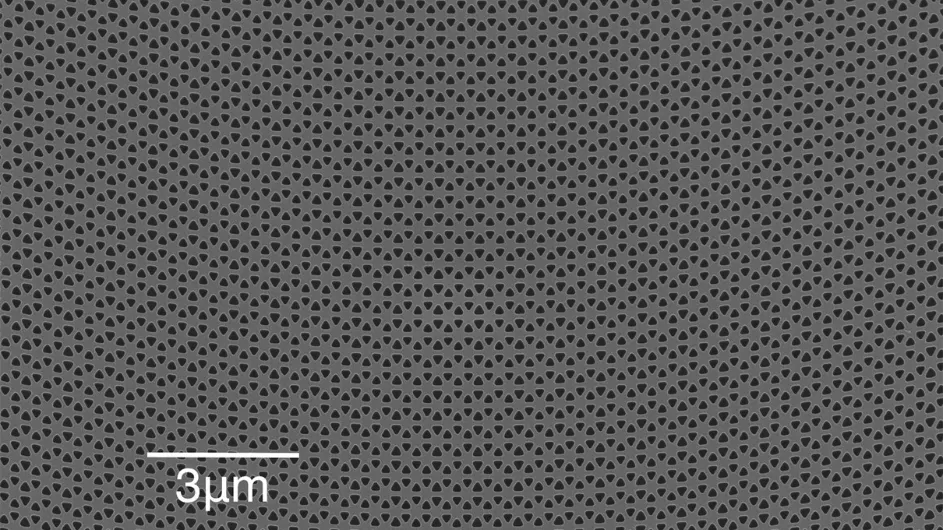
New observation could provide way to increase the strength of interaction between light and matter, eventually leading to smaller lasers and other improved photonic technologies.
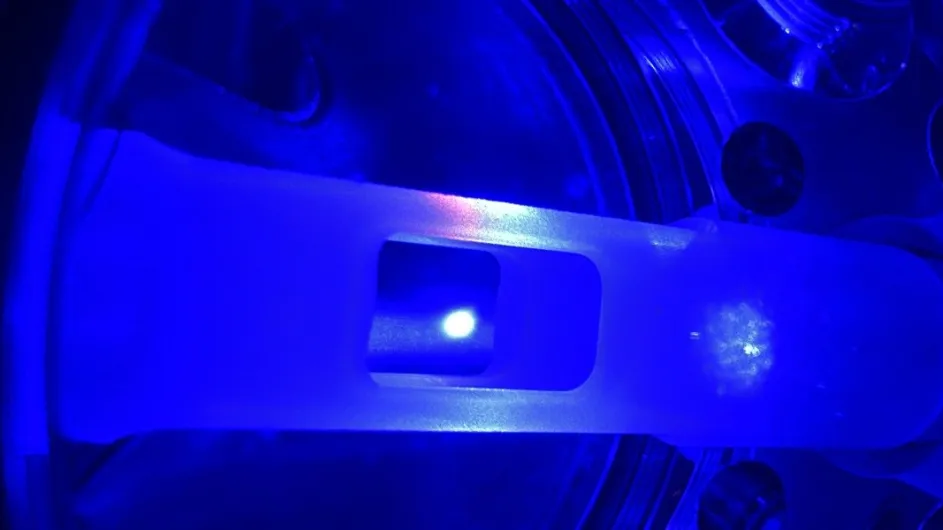
The result could have broad implications in areas such as space travel, volcanic eruptions and GPS systems.