
Quantum computer scientist Henry Yuen comments on research from Microscoft and Quantinuum about making qubits that are less prone to error.
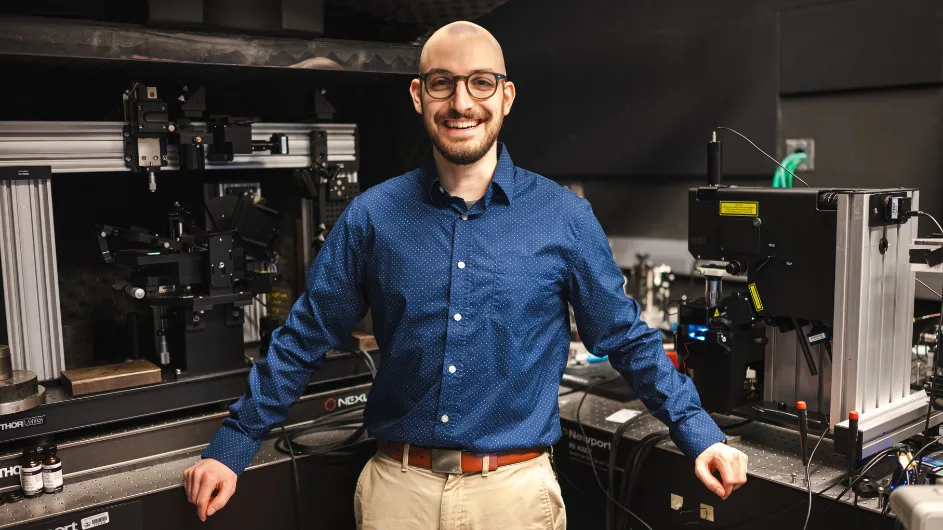
Emanuil Yanev talks about his PhD work modifying 2D materials to push their light-producing limits.
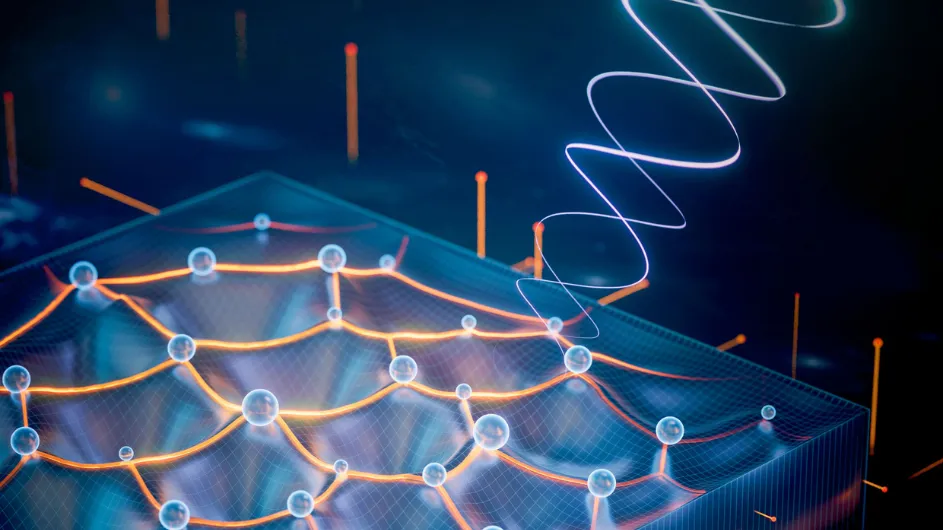
The results, continuing the legacy of late Columbia professor Aron Pinczuk, are a step toward a better understanding of gravity.

Gravitons, the particles thought to carry gravity, have never been seen in space – but something very similar has been detected in a semiconductor.
Columbia Expert In Nature News | Weird New Electron Behaviour in Stacked Graphene Thrills Physicists
Theoretical physicist Raquel Queiroz comments on a 2D material observed to exhibit the fractional quantum anomalous Hall effect.
Research from the groups of physicist Dmitri Basov and engineer Alexander Gaeta were among the most downloaded physics papers last year.
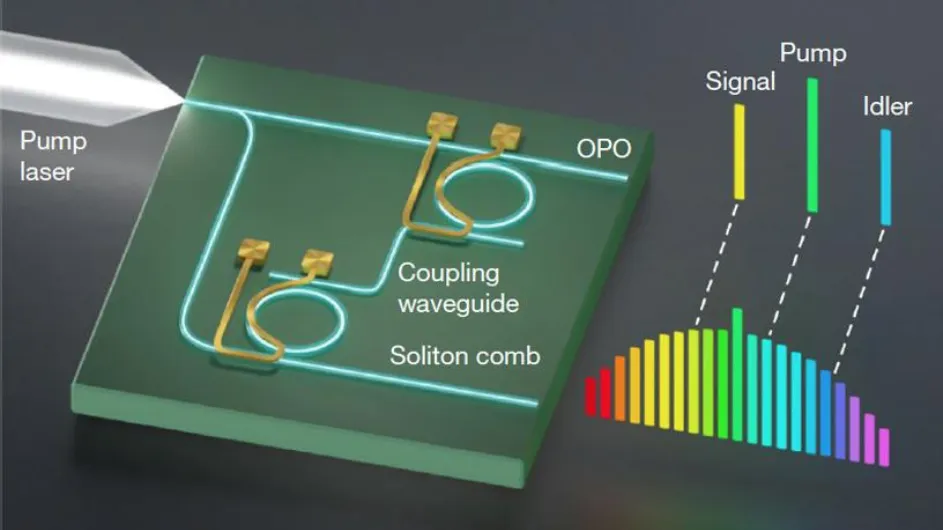
Researchers create a compact, all-optical device with the lowest microwave noise ever achieved for an integrated chip.

Image Carousel with 4 slides
A carousel is a rotating set of images. Use the previous and next buttons to change the displayed slide
-
Slide 1: Students from the School at Columbia are welcomed to Pupin Lobby, home of the Columbia Physics Department.
-
Slide 2: Dmitri Basov, Higgins professor and Chair of the Department of Physics and Director of Columbia's Department of Energy EFRC on Programmable Quantum Materials, shares stories of Nobel Prize-winning Columbia physicists.
-
Slide 3: Professor of Physics Abhay Pasupathy gives a history lesson on Columbia's role in the Manhattan Project.
-
Slide 4: Clara Wilson, staff engineer in the Physics Department, shows off the Design Lab, where users come to make their experimental visions a reality.
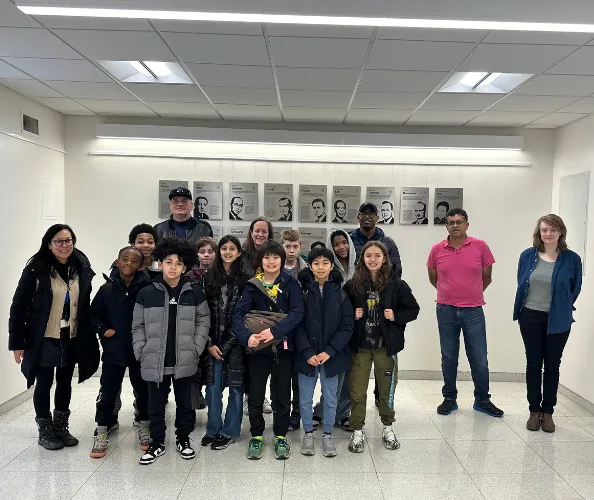
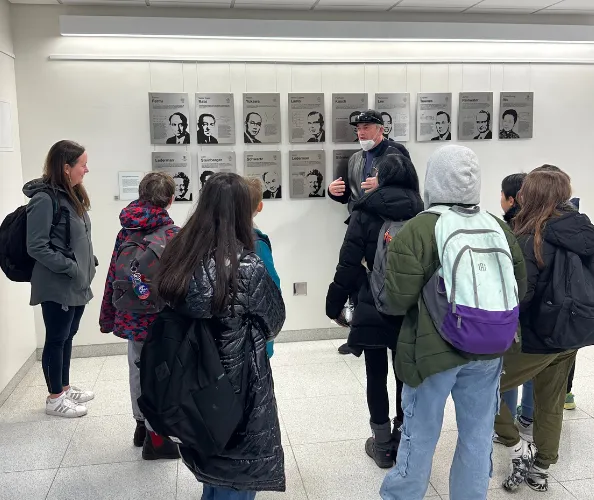
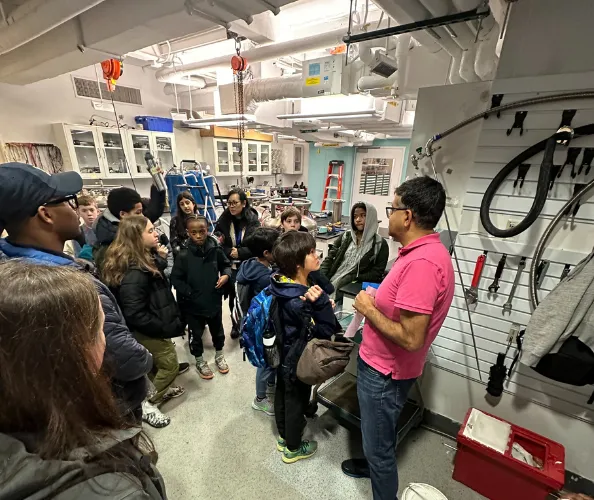
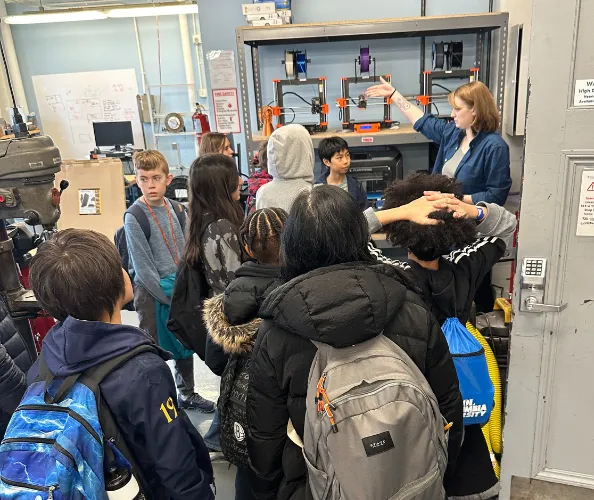
For their Integrative Project week, a group of 5th-to-7th graders toured Pupin Hall for a lesson in physics.
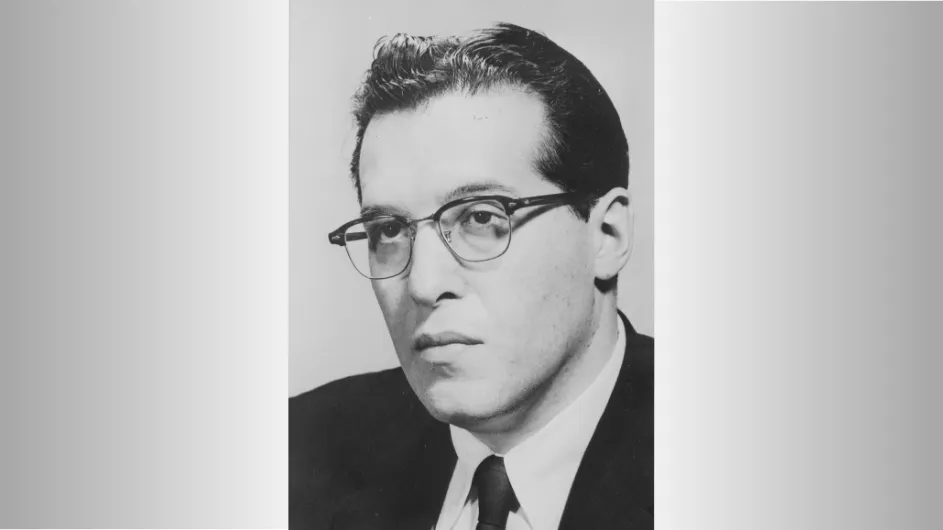
MIT physicist and Nobel Laureate Frank Wilczek will give the inaugural talk on April 15.
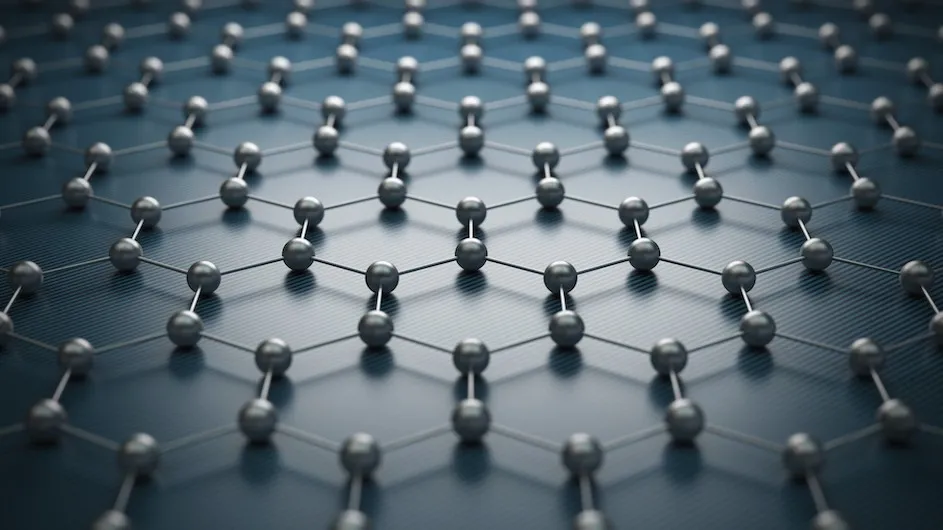
Quantum science papers often focus on two-dimensional materials. Columbia News explains why.
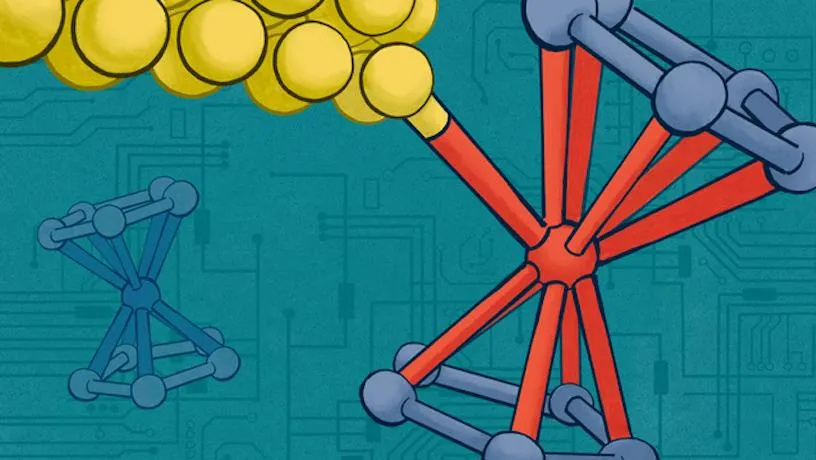
Researchers flip the switch at the nanoscale by applying light to induce bonding for single-molecule device switching.