

A Columbia postdoc explains what mirrors can reveal about the quantum nature of materials, and how illustrations inform his work.
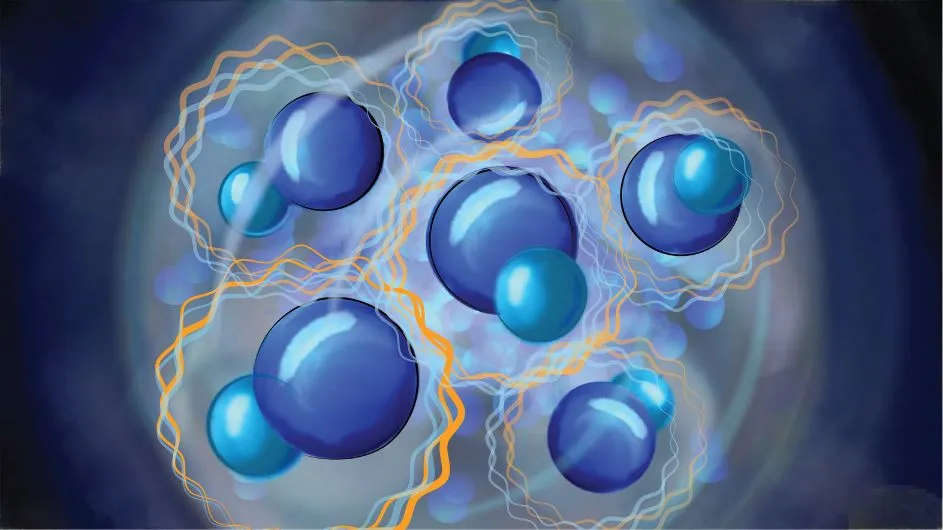
A new technique takes a bosonic gas to its lowest temperature yet and a step closer to a molecular Bose-Einstein condensate.
$530,000 grant from the Department of Energy will support Zhu's work until June 2026.
A new tool combines a cryogenic nanoscope with a strong magnetic field to visualize quantum particles at sub-nanometer scales.

Postdoc Ricardo Gutiérrez Jáuregui talks about studying light at Columbia and returning home to Mexico City.
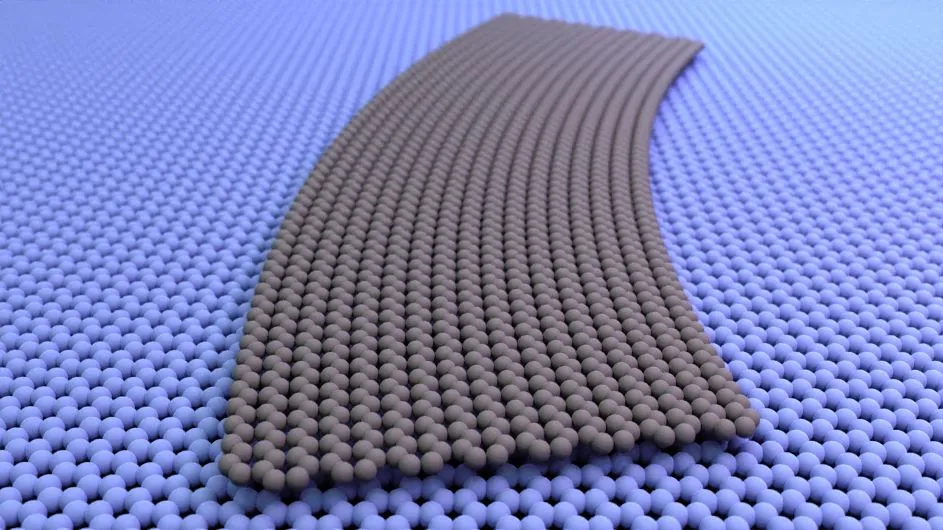
A new technique developed at Columbia offers a systematic evaluation of twist angle and strain in layered 2D materials.
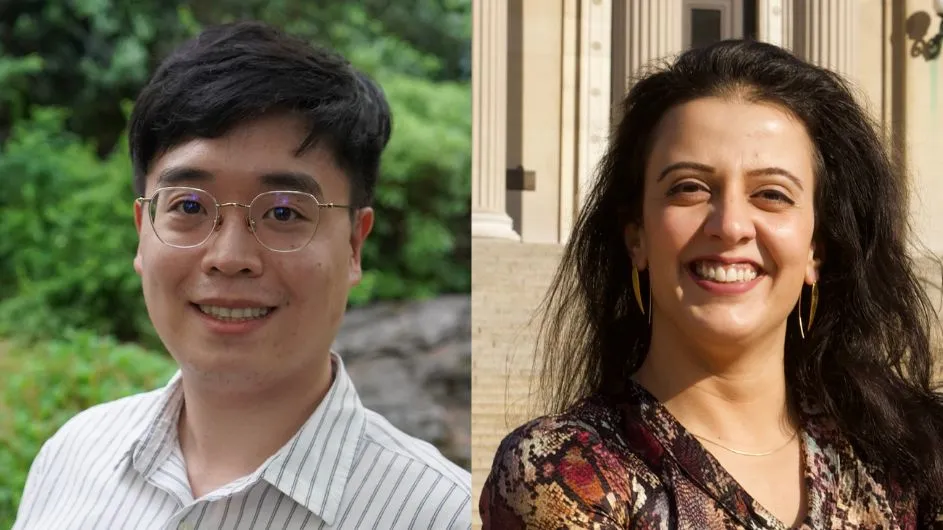
Joonho Lee and Elena Meirzadeh were recognized for their work in quantum and materials chemistry.
Owethu Bukula and Quentin Taylor on their summer as NSF REU students with Columbia’s MRSEC on Precision-Assembled Quantum Materials.
One of 93 early career scientists selected this year, Assistant Professor James McIver was chosen for his proposal, "Ultrafast Control of Topological Transport in Quantum Materials"!
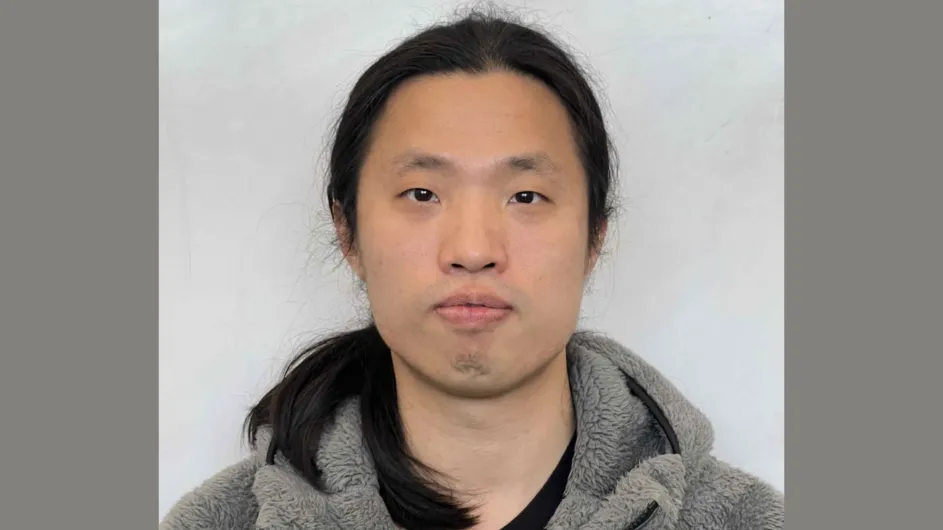
The award is given annually to Natural Sciences graduate students selected by faculty, and includes a prize of $5,000 funded by the Sidney Prince Trust.
Time, for Tanya Zelevinsky, is very much of the essence. At her physics lab at Columbia University in New York City, she is building a version of an ‘optical lattice clock’ — a device that can reach such unprecedented accuracy that it would lose only one second over millions or even billions of years.
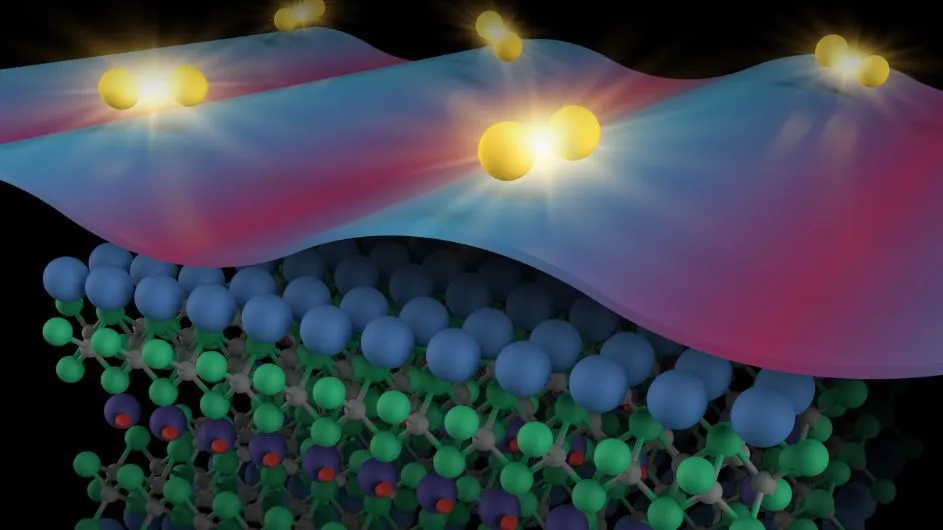
Tunneling spectroscopy uncovers the clearest proof yet that this exotic superconducting state of matter exists without a magnetic field in an iron-based superconductor.