
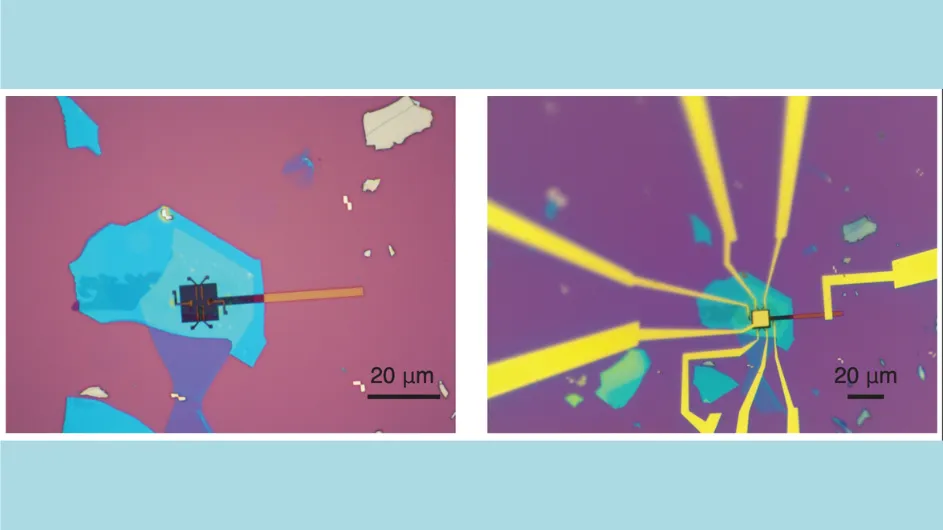
New research in Nature describes a unique quantum crystal that can behave as either a ferroelectric metal or a superconductor.
Current Columbia physicist Sebastian Will and computer scientist Henry Yuen give a brief overview of his Nobel Prize-winning work on quantum entanglement.
With the Shuck Lab, Emma Xu is a co-inventor of a photon avalanching process that appeared on the cover of Nature.
Seven Columbia Quantum Initiative researchers made Clarivate’s Highly Cited Researcher list this year. Here are a few highlights from 2022.
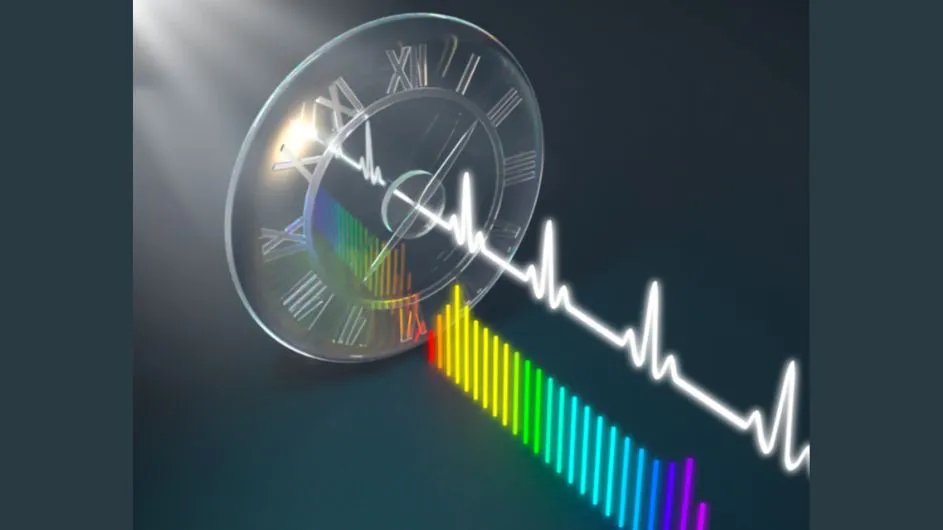
Members of the Gaeta lab collaborate on a new device that opens the doors to applications in communication, quantum computing, astronomy.
Niccolò Bigagli, a sixth-year PhD candidate in physics, explains how he and filmmaker Ramey Newell created their award-winning short film.
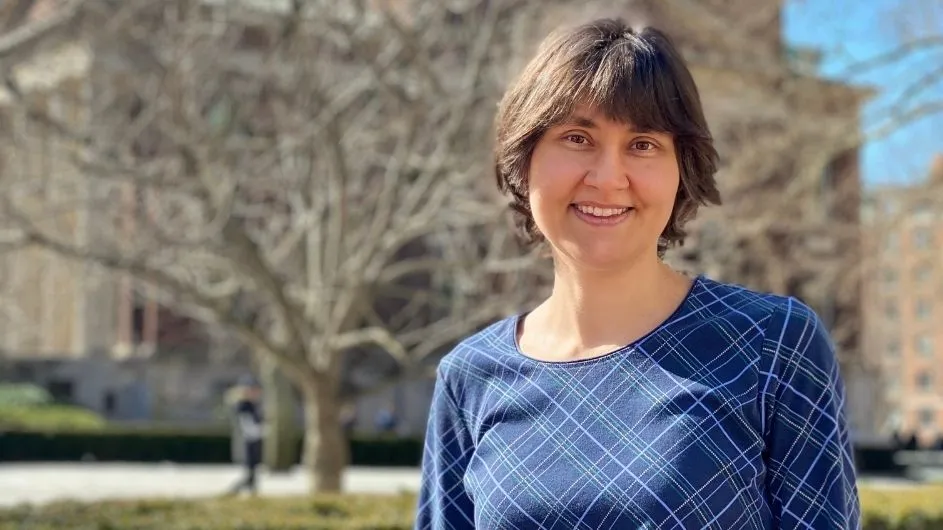
Zelevinsky accepted the award in Stereodynamics of Chemical Reactions at the 2022 Stereodynamics Conference in Crete, Greece, where she presented a talk on photodissociation and high-precision spectroscopy with trapped ultracold molecules.
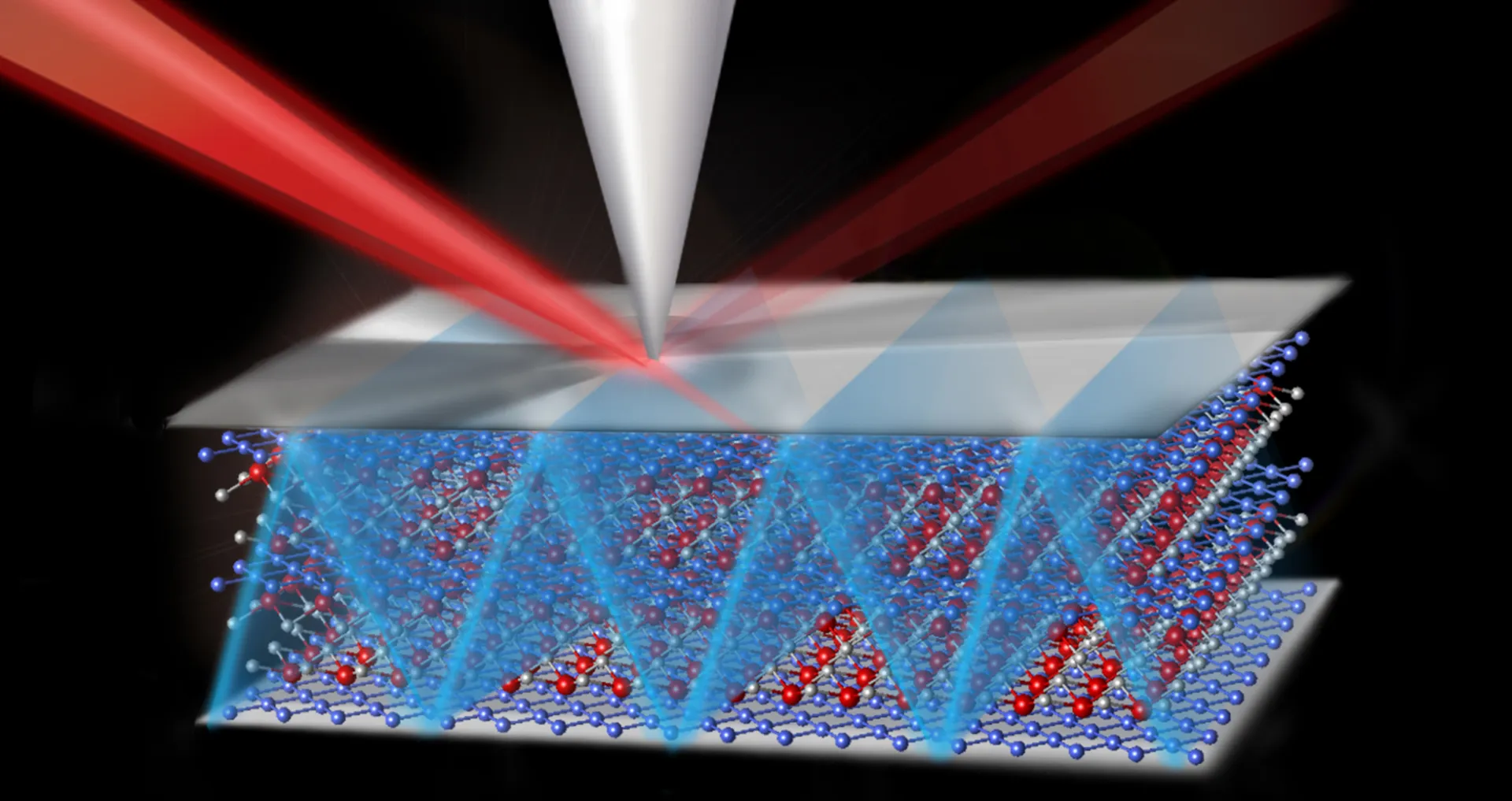
New research finds evidence of waveguiding in a unique quantum material. Their findings counter expectations about how metals conduct light and may push imaging beyond optical diffraction limits.
Aravind Devarakonda began studying electronics in high school. Today, he uses both physics and chemistry to discover new insights about how electrons behave. Read more in his Simon's Foundation Q&A.
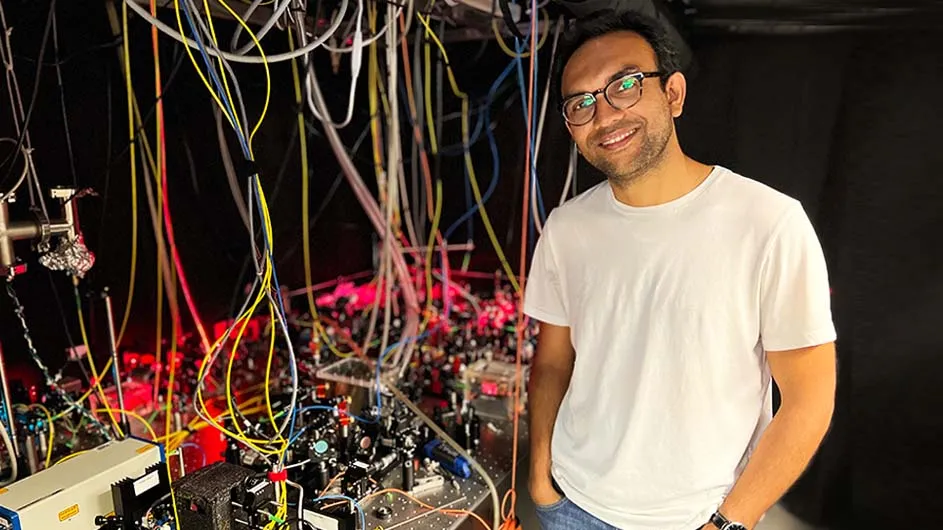
Debayan Mitra, a polyglot postdoc working with physicist Tanya Zelevinsky, is building an ultracold toolbox of atoms, molecules, and atoms-split-from molecules to understand the tiny world of quantum mechanics.
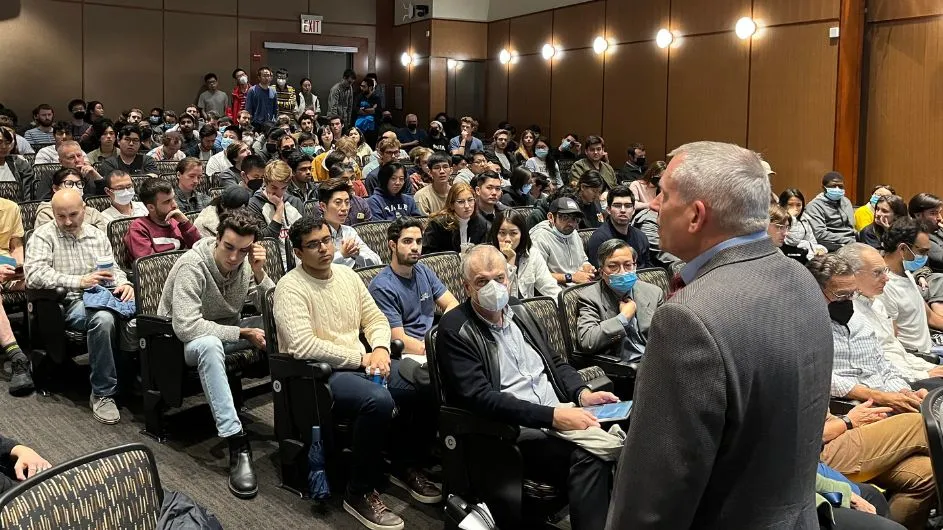
A photo recap from the inaugural events, held this month at Columbia University.
Using artificial intelligence, an international team of physicists has shown that the thousands of equations needed to model a complex system of interacting electrons can be reduced to just four.