
Now a visiting fellow at the SIPA’s Center on Global Energy Policy, this Columbia alum offers insights from his time at the Department of Energy about taking quantum science from the lab to the real world.

Using a time lens, Columbia Engineers resolve single photons 70x faster than other techniques, another step towards advancing quantum information processing.
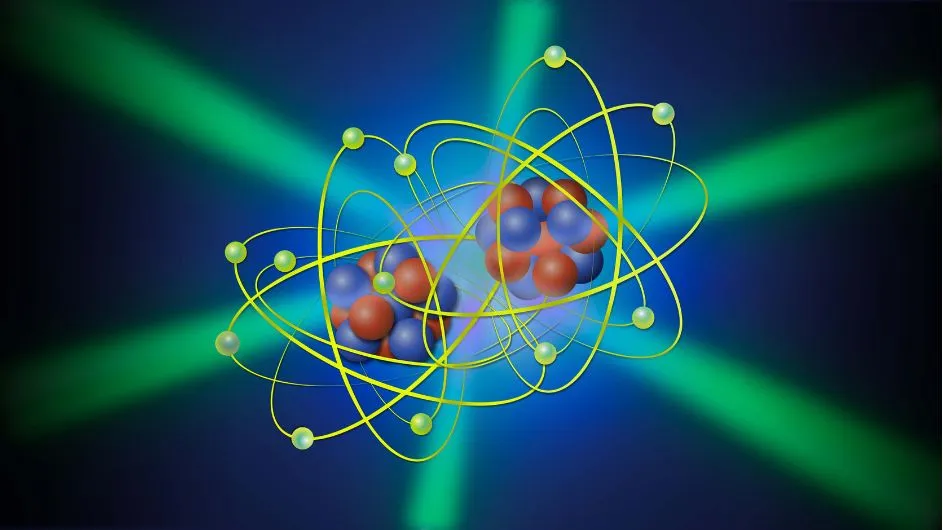
A new study from researchers at Columbia University suggests carbon molecules can be laser-cooled to ultracold temperatures, raising the possibility of studying the fundamental properties of these molecular building blocks.
The assistant professor of chemistry, who studies coherent imaging and control of quasiparticle interactions, is one of ten researchers selected to receive $6M in total science funding for cutting-edge research.
The professor of mathematics works at the interface of probability and mathematical physics with a particular interest in exactly solvable probabilistic models and stochastic partial differential equations. Much of his work has focused around the Kardar-Parisi-Zhang equation and its universality class.
Columbia welcomes its first participants in the postdoctoral program to New York this year. Here, they discuss their careers and interests in quantum phenomena in two-dimensional materials.
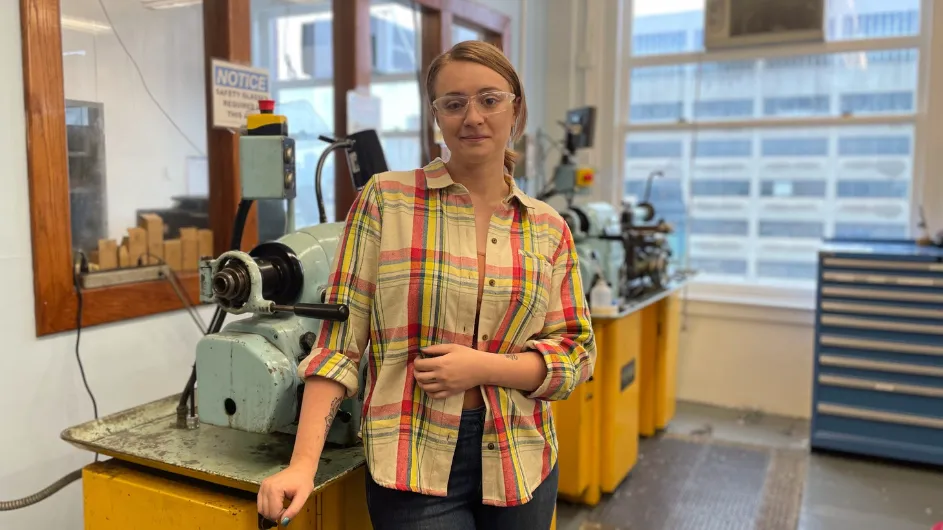
An old machine shop in Pupin Hall has a new life as a makerspace for scientists to imagine the future of physics.
The professor of chemistry, who studies quantum dynamics, phenomenology, and condensed-phase quantum chemistry, is one of 83 scientists from across the nation to receive funding for research as part of the DOE Office of Science’s Early Career Research Program.
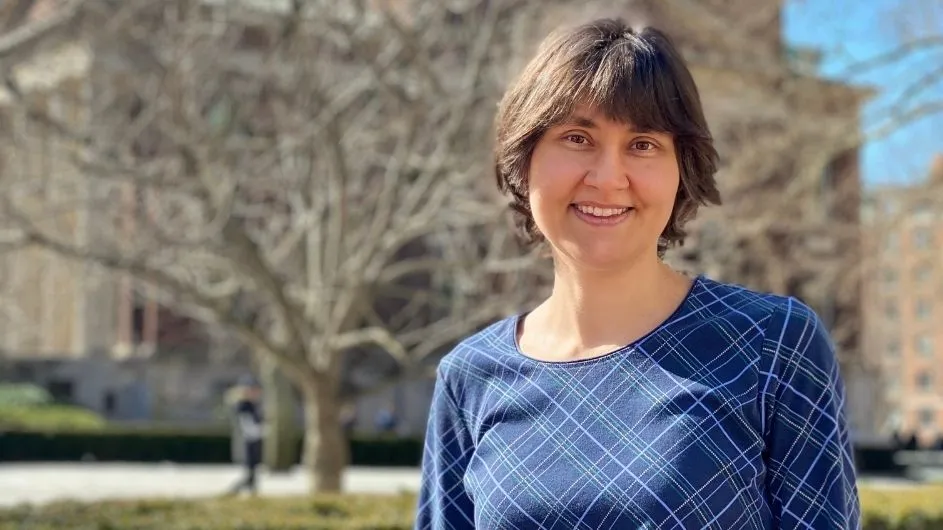
One of four mid-career researchers selected, Zelevinsky will use the $2 million award to advance the use of molecules to study fundamental science.
The experimental physicist uses quantum control of molecules to study fundamental science.
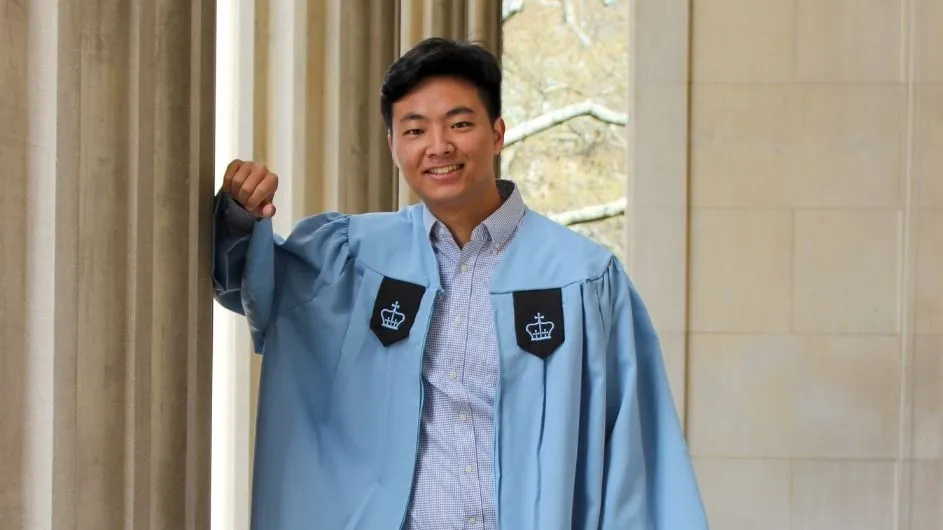
As he graduates, the Physics and Math double major reflects on his time at Columbia and research experiences in a quantum lab.
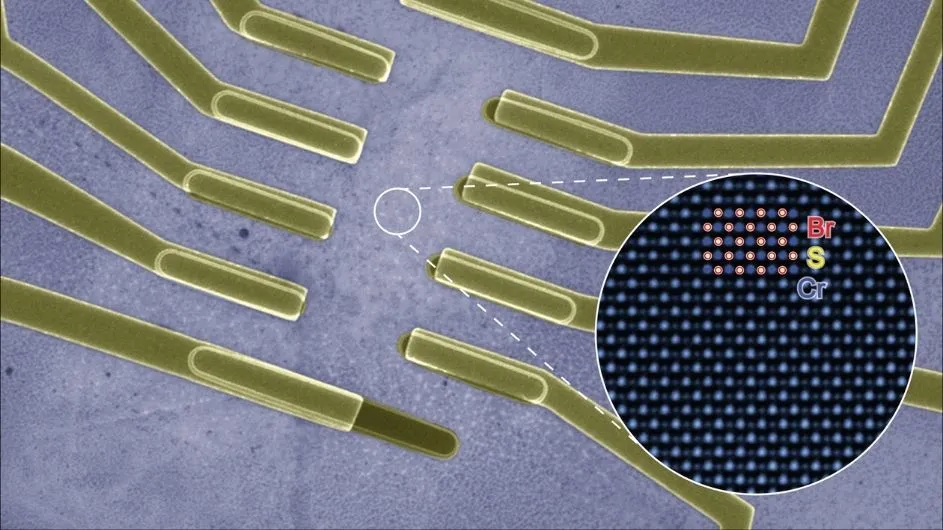
Columbia chemists and physicists find a link between tunable electronic and magnetic properties in a 2D semiconductor, with potential applications in spintronics, quantum computing, and fundamental research.