
Columbia Engineers Cheng Tan and James Hone help colleagues from ICFO bend electrons in graphene with a little light.
IEEE Spectrum covers a new hybrid quantum-classical approach from Columbia chemists David Reichman and Joonho Lee that could help avoid issues with noise in quantum circuits.
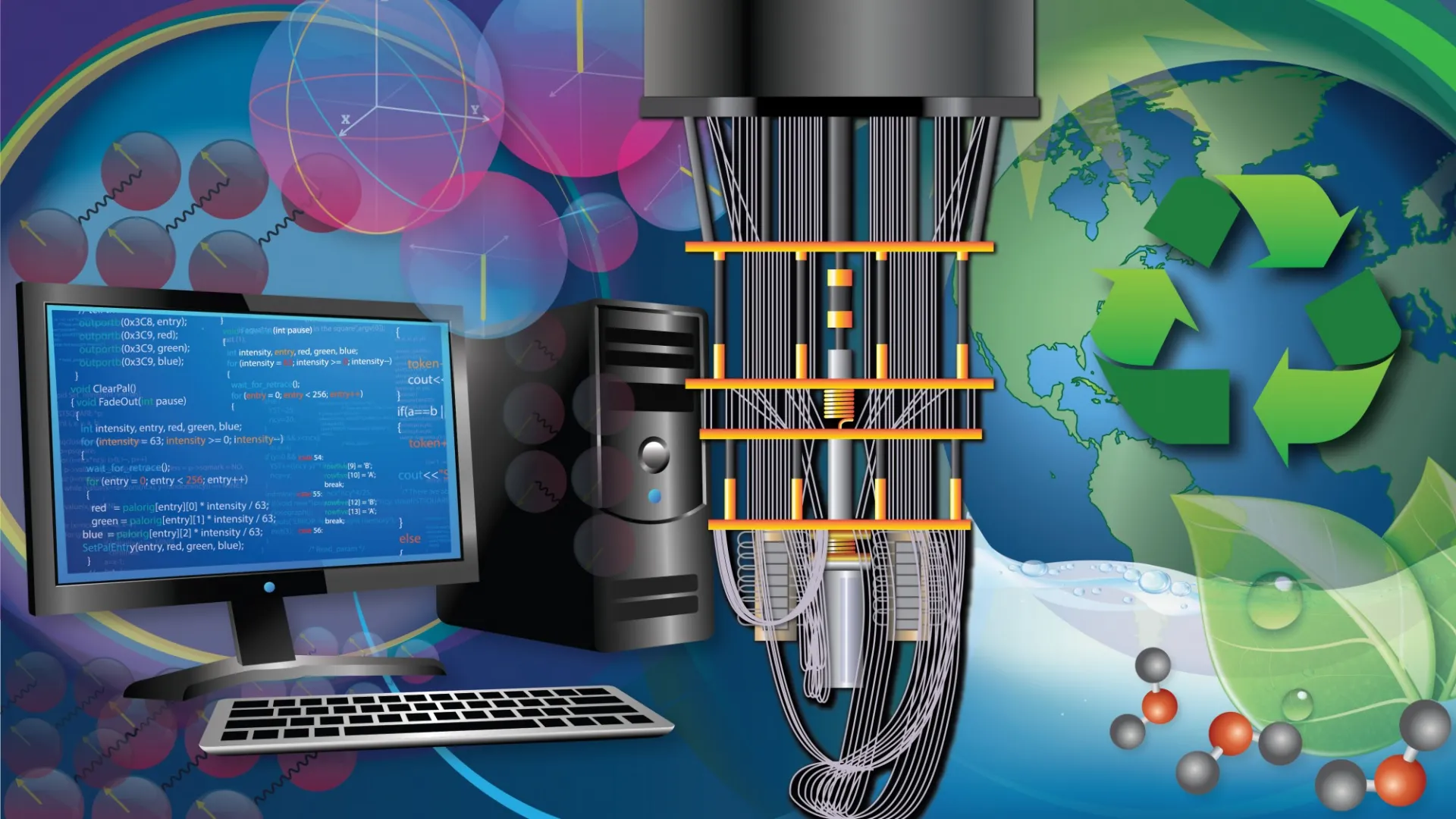
Researchers at Columbia and Google Quantum AI have developed an algorithm that uses the most quantum bits to date to calculate ground state energy, the lowest-energy state in a quantum mechanical system. The discovery could help make it easier to design new materials.
Before he left for the Quantum Information Processing meeting, we asked Mousavi about combining quantum mechanics with computer science and how endurance sports help keep his mind fit.
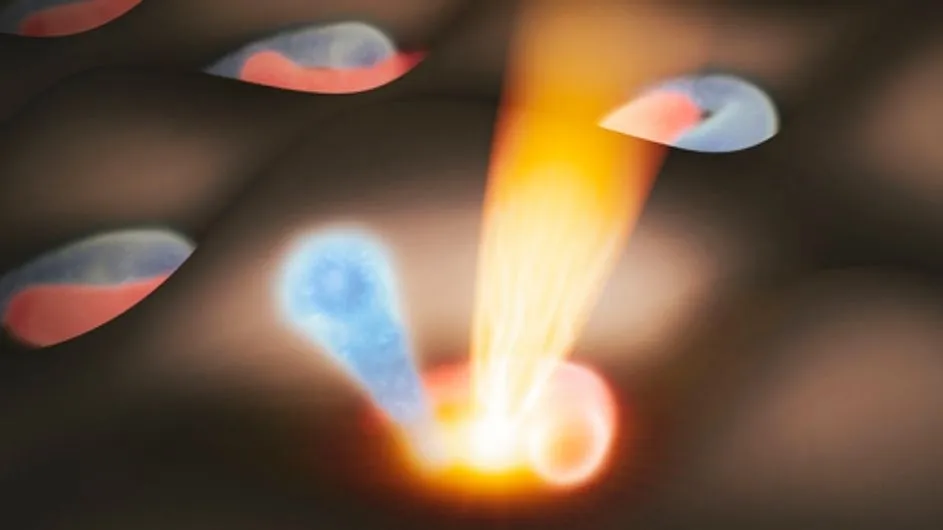
It’s a significant step in understanding these whirling quasiparticles and putting them to work in future semiconductor technologies.
In celebration of Women’s History Month, we’ve compiled a list of the women on the leading edge of quantum science at Columbia.

Boris Altshuler and Igor Aleiner share the American Physical Society’s Lars Onsager Prize with Princeton’s David Huse for their foundational work on many-body localization.
Check out 10 notable papers from Columbia’s Programmable Quantum Materials Energy Frontier Research Center
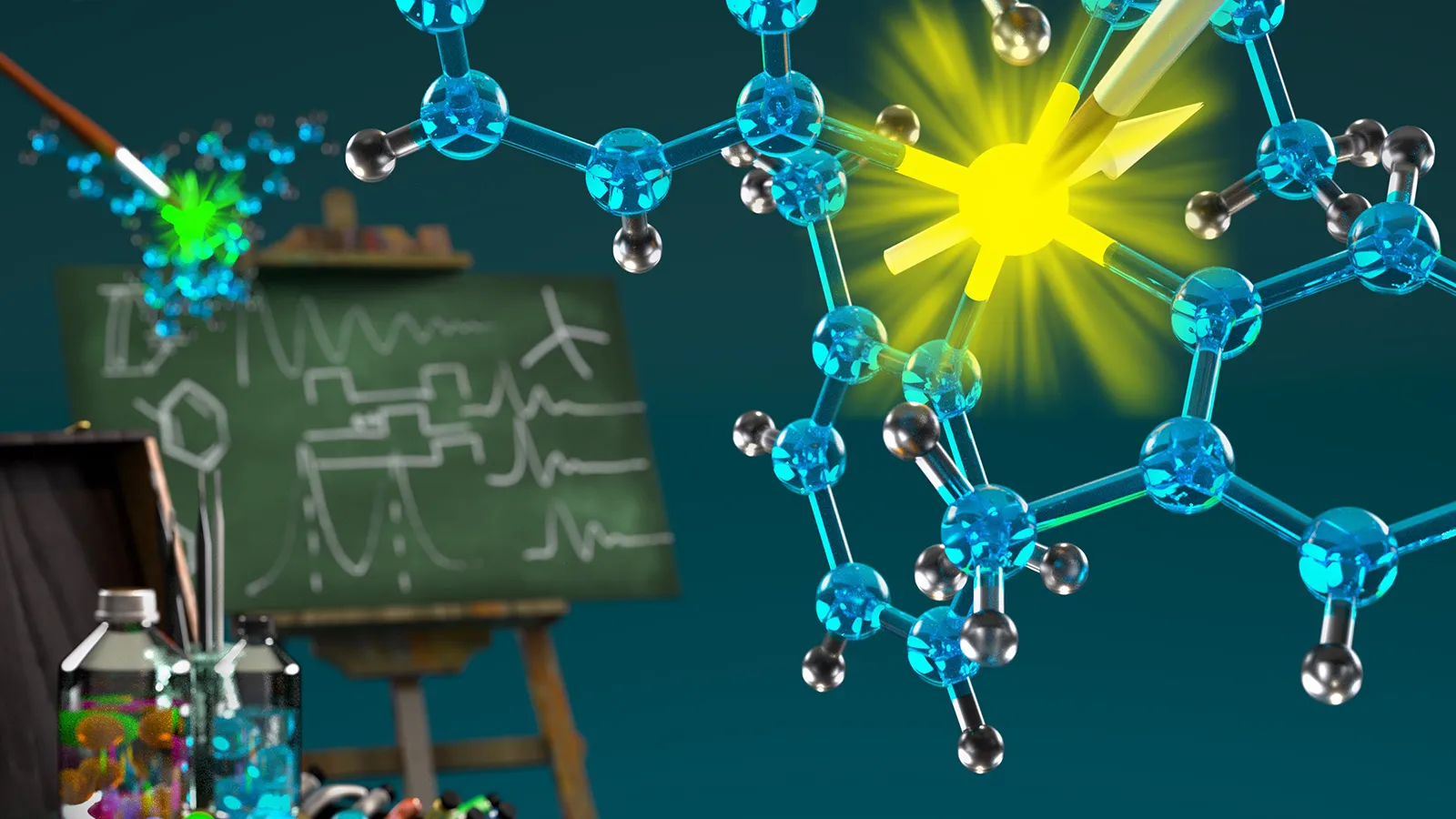
Columbia chemists contribute to a ground-up approach to designing customizable qubits.
Dmitri Basov presents his work on nanolight and quantum materials at the Simons Foundation President Lecture Series.
The theoretical computer scientist joins four other Columbians being recognized for outstanding contributions to their field with a $75,000 Sloan Research Fellowship.
Columbia mourns the loss of Aron Pinczuk, Professor of Applied Physics and Professor of Physics. He passed away on February 13, 2022.