

Columbia Leads Effort to Build a Quantum Simulator | The project is supported by an NSF Convergence Accelerator award that funds team-based, multidisciplinary initiatives addressing challenges of national importance.
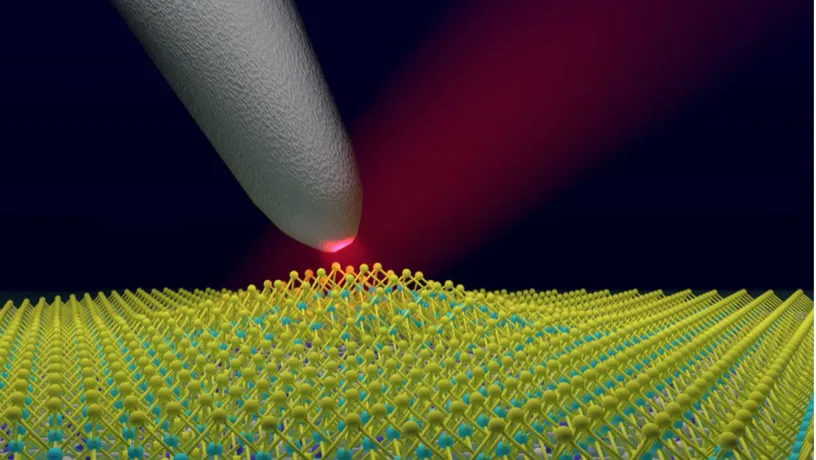
Using sophisticated optical microscopy techniques, Columbia engineers are first to demonstrate that sufficient strain in 2D material can yield single-photon emitters, key to quantum technologies and future photonic circuitry
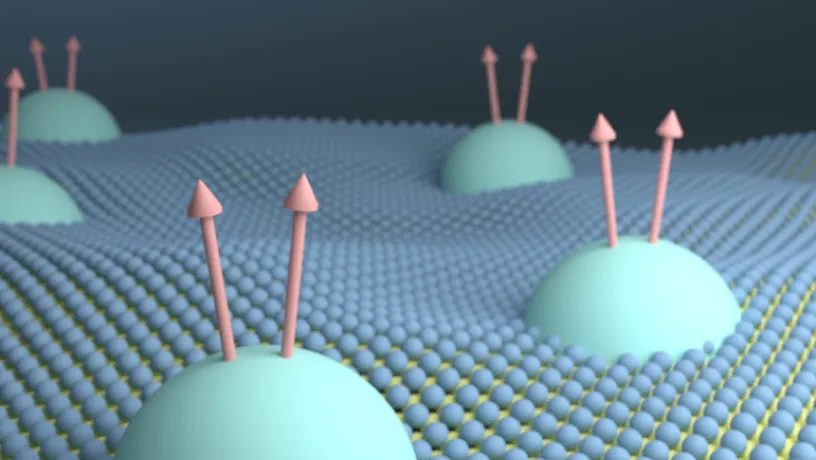
Columbia University researchers report that they have observed a quantum fluid known as the fractional quantum Hall states (FQHS), one of the most delicate phases of matter, for the first time in a monolayer 2D semiconductor.
In a glass, the freedom of atoms to move by quantum tunneling depends on how fast the glass was initially formed.
Dmitri Basov will use the award to develop experimental techniques that could lead to revolutionary applications in electronics, computing energy technology and medical devices.
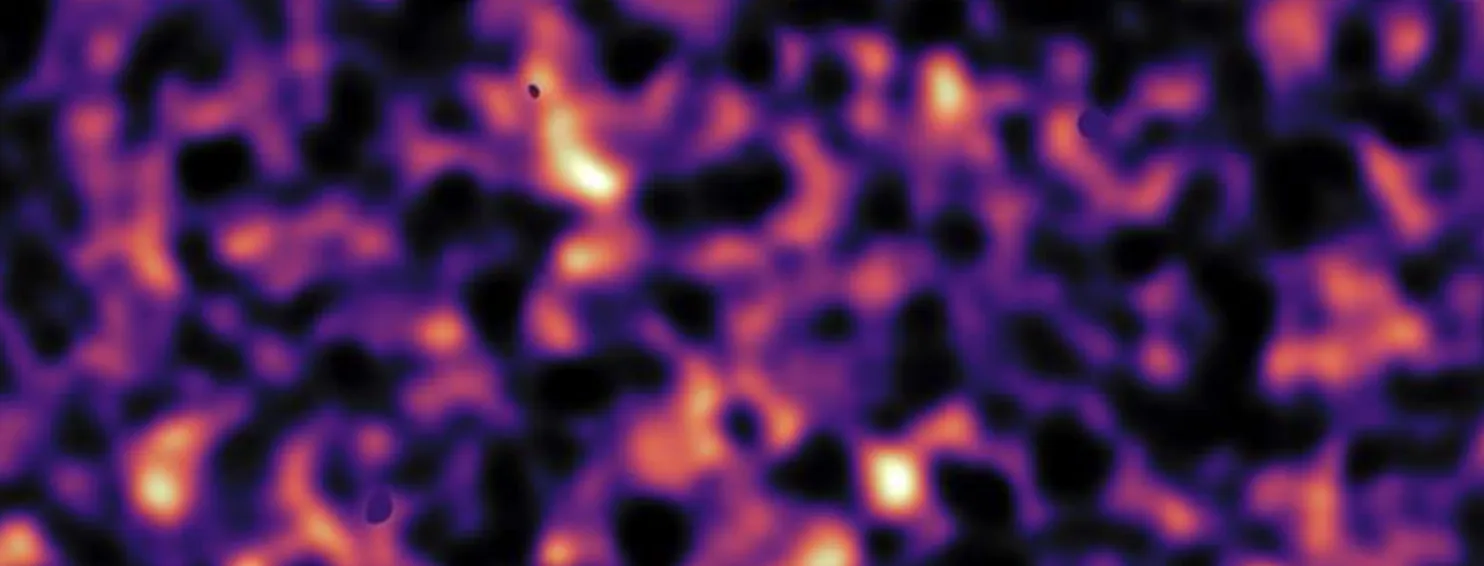
Physicists Rees McNally and Tanya Zelevinsky from Columbia University, New York, USA, have now published a paper in EPJ D proposing two new methods of looking for such perturbations and, thus, dark matter.
Columbia Chemist David Reichman talks to Quanta Magazine about the mysteries of glass
Researchers use atomically thin materials—1/100,000 the size of a human hair—to manipulate the phase of light without changing its amplitude, at extremely low power loss; could enable applications such as LIDAR, phased arrays, optical switching, and quantum and optical neural networks
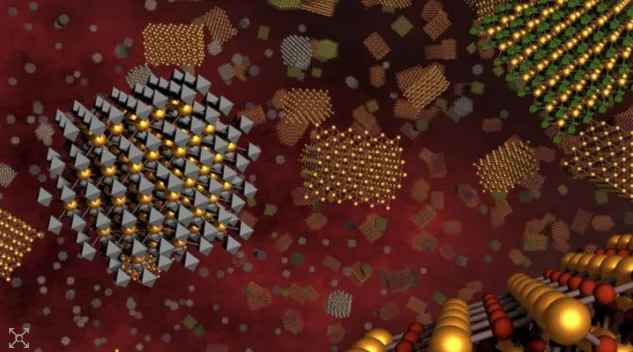
A “multi-messenger” approach that was first employed to study astrophysical phenomena such as black hole mergers can also bring insights to the ultra-small realm of quantum physics, says researchers at Columbia University

Researchers from Columbia University and the University of California, San Diego were able to re-purpose techniques from astrophysics to better visualize nano-scale materials instead of galactic scale astronomical phenomena.