
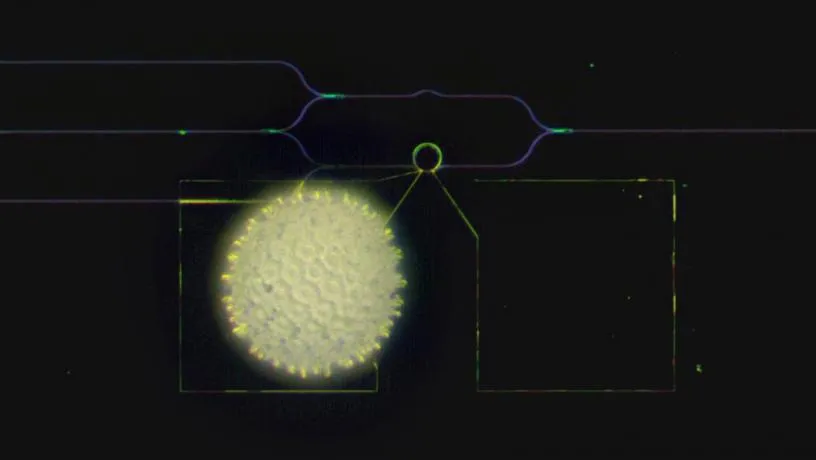
Visible-spectrum, compact, power-efficient, low-loss phase modulator is a breakthrough in integrated photonics; the device will improve LIDAR for remote sensing, AR/VR goggles, quantum information processing chips, implantable optogenetic probes, and more.
Sebastian Will is quoted in Popular Science about IBM's 127-qubit chip, Eagle.
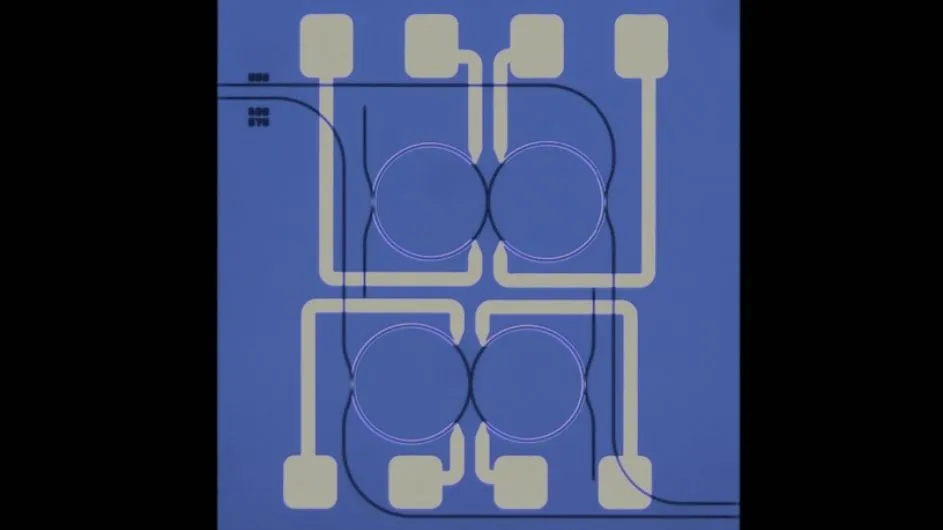
A new paper, "Dynamic control of photon lifetime for quantum random number generation," from Prof. Alexander Gaeta's Quantum and Nonlinear Photonics Group and Prof. Michal Lipson's Nanophotonics Group was published by Optica.
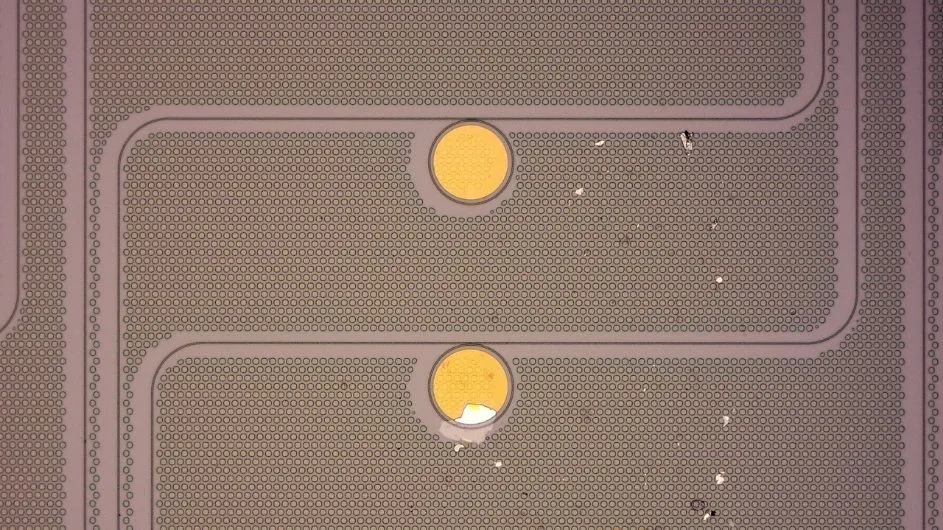
The results, published in Nature Electronics, relied on a cleaner technique to manipulate the flow of electricity, giving graphene greater conductivity than metals such as copper and gold, and raising its potential for use in telecommunications systems and quantum computers.
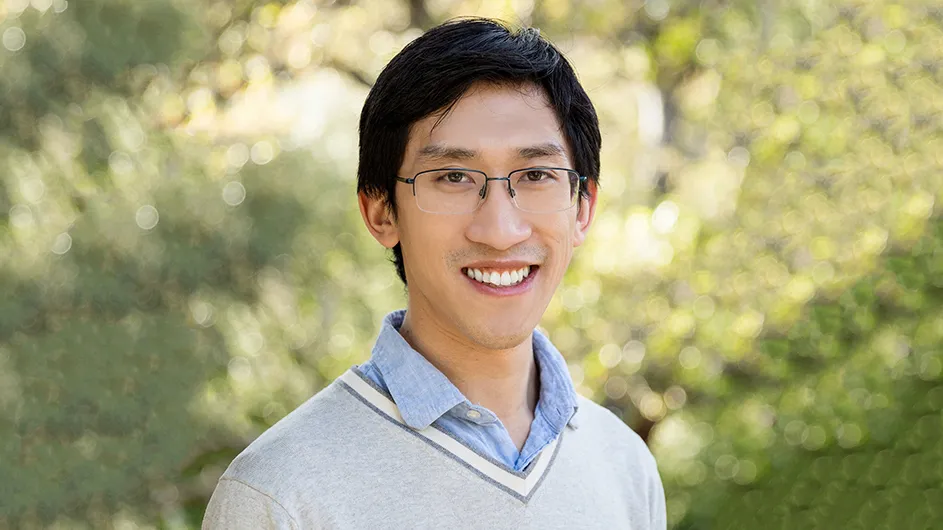
Meet Henry Yuen, a computer scientist exploring the boundaries between classical and quantum computers. Yuen joined Columbia Engineering as an assistant professor in January 2021.
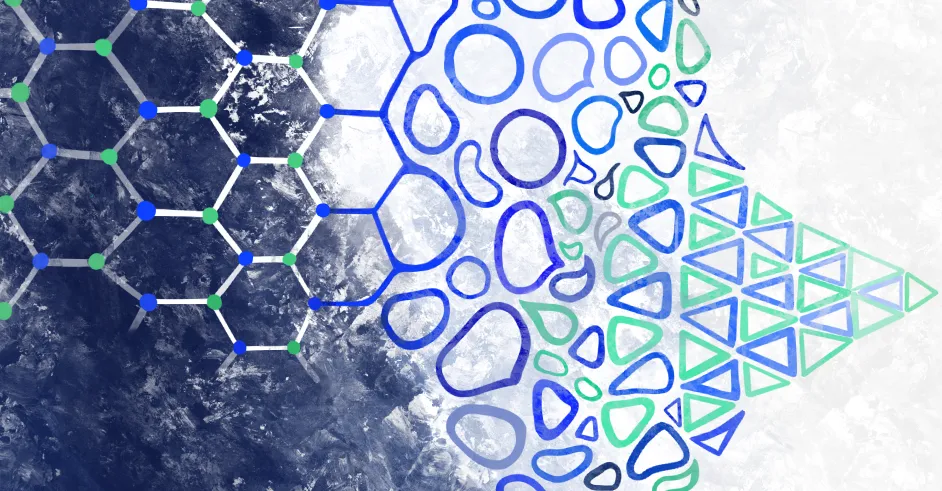
In search of the mysterious transition between metallic and insulating states of matter, Columbia researchers find signatures of quantum criticality in a unique material.
Columbia theoretical physicists Boris Altshuler & Igor Aleiner have been awarded the 2022 Lars Onsager Prize from the American Physical Society for their foundational work on many-body localization. They share this year's prize with Princeton's David Huse.
The prize, presented annually since 1995 in memory of Lars Onsager and his passion for analytical results, recognizes outstanding research in theoretical statistical physics. The prize consists of $10,000 as well as a certificate citing the contribution made by the recipient.
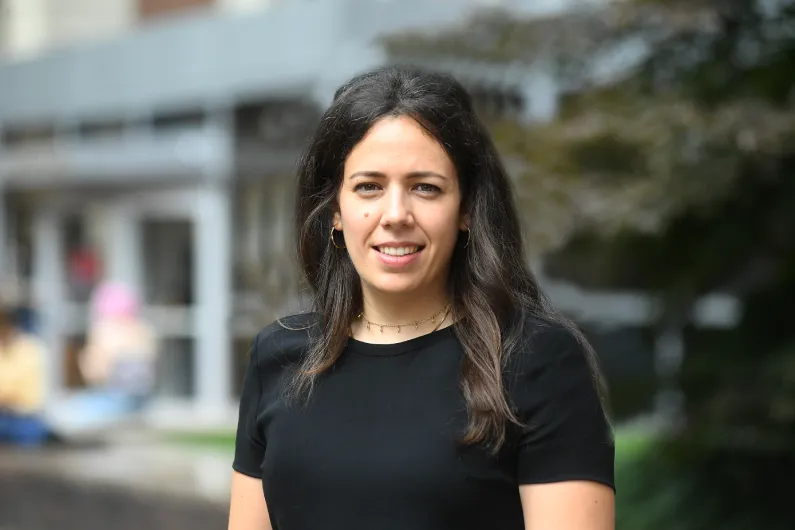
One of 20 early-career researchers selected for the fellowship, Asenjo-Garcia is exploring how light and matter interact at the quantum level.
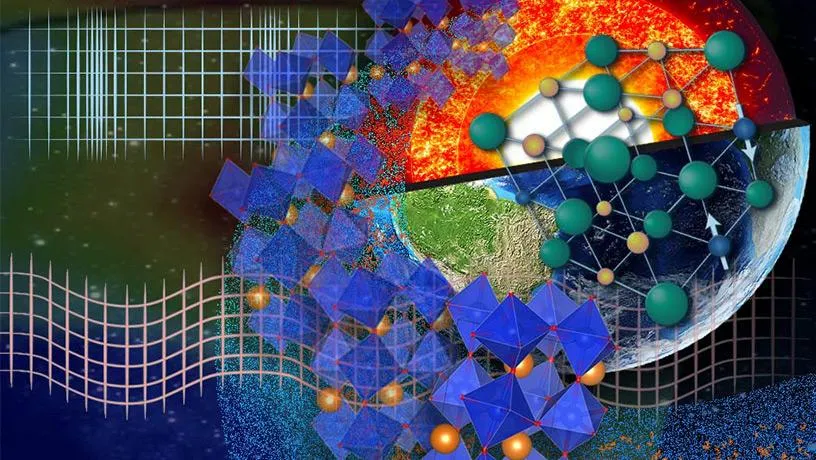
Spin transition discovered in the Earth’s mantle; finding will improve understanding the Earth’s interior, and enable better understanding of tectonic events including volcanic eruptions and earthquakes.
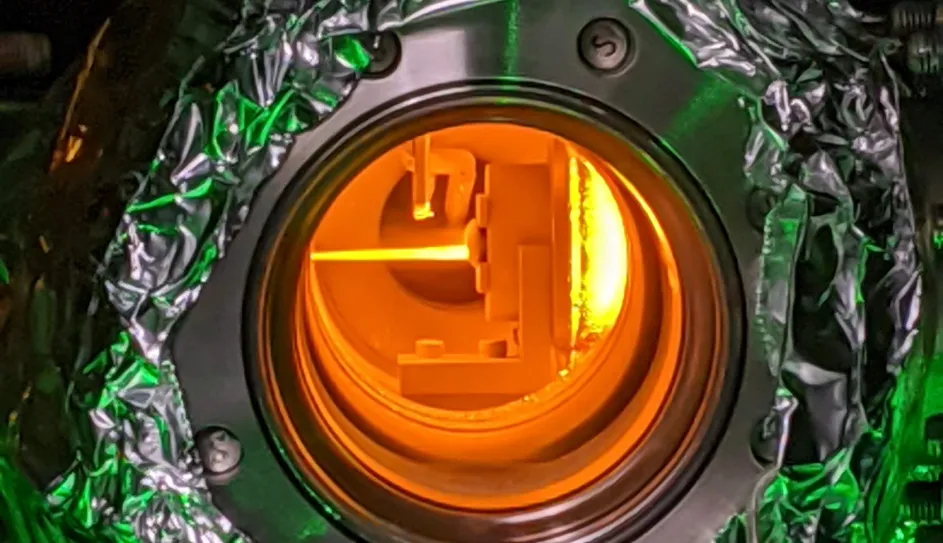
A series of interactive workshops developed by Columbia physicist Sebastian Will and STEMteachersNYC will give educators tips and tools to cover quantum science in their classrooms.
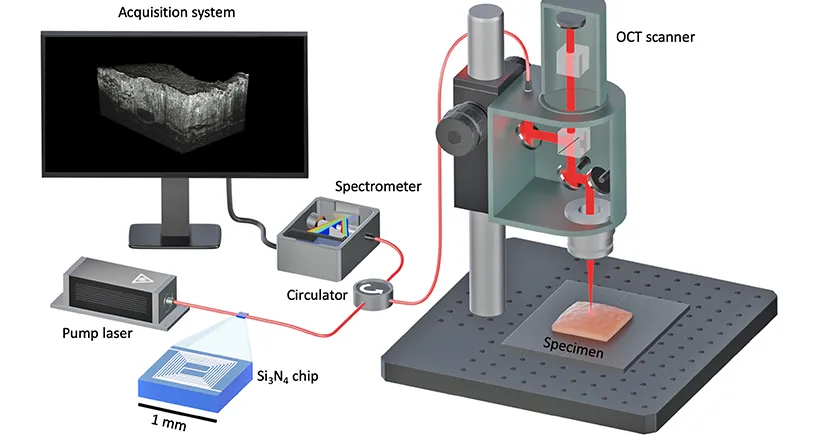
The research groups of Christine Hendon and Michal Lipson have demonstrated a novel supercontinuum source that provides improved imaging performance.
The pair will focus on an emerging field known as “twistronics.”