
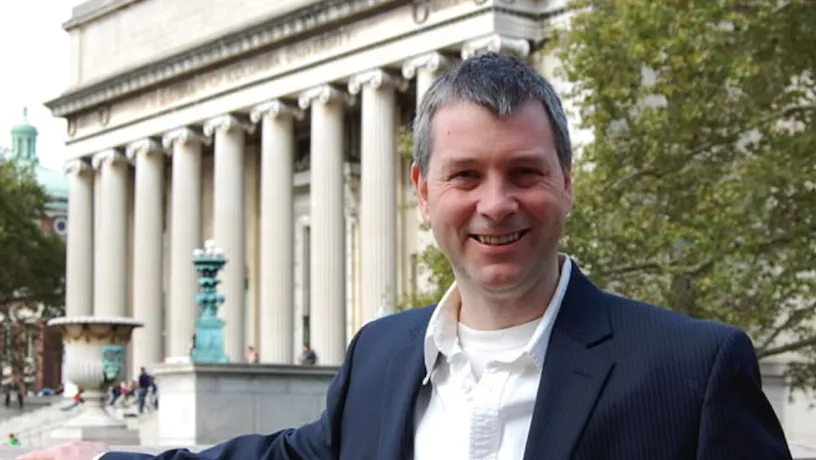
Hone and his co-winners discovered graphene’s “insulating cousin.”
Zhu is recognized by the American Physical Society for his research on the spectroscopy and dynamics of molecular condensed materials, which he is taking to its quantum frontiers.
The Ernest Kempton Adams lecture series, which first brought European leaders in physics and mathematics to the university more than 100 years ago, continues Monday, October 17, with a talk on one of the oldest branches of physics from Sir Michael Berry.
$1,050,000.00 from the Department of Energy will support their work through August 2025.
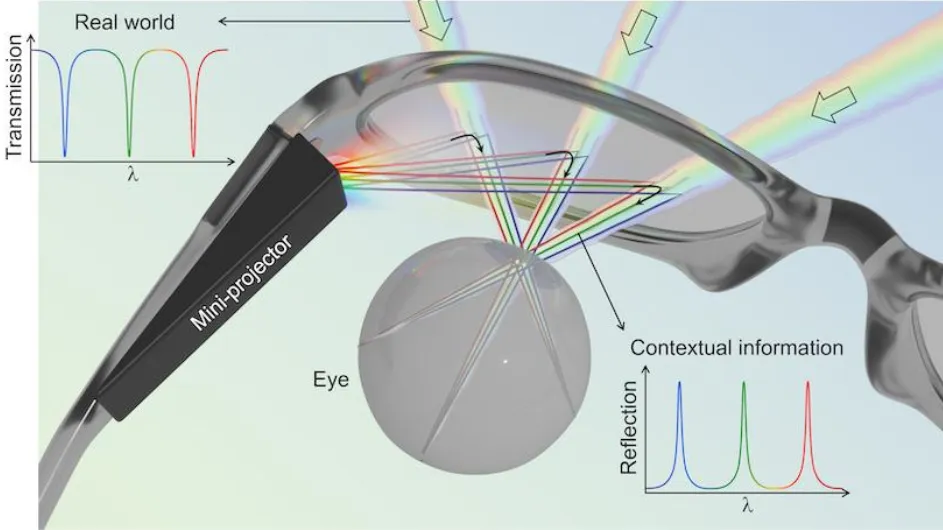
Columbia engineers invent a flat lens that exclusively focuses light of a selected color—it appears entirely transparent until they shine a beam of light with the correct wavelength onto it, when the glass turns into a lens.
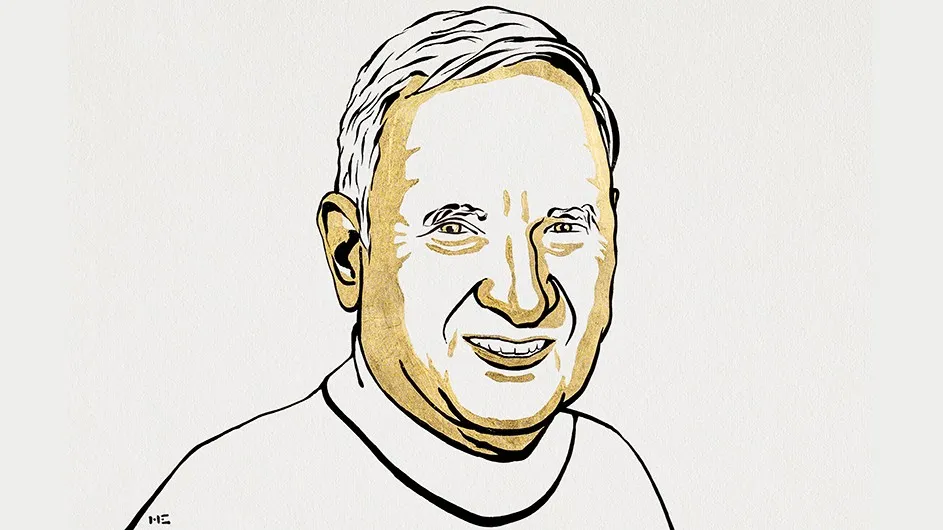
John F. Clauser, who received his PhD from Columbia University in 1969, was one of three scientists awarded the 2022 Nobel Prize in Physics on Tuesday.
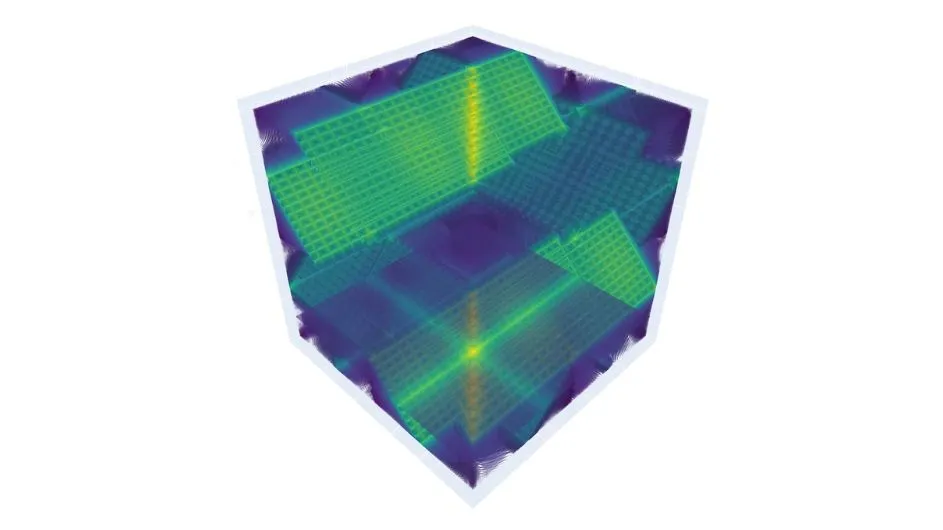
In collaboration with the Flatiron Institute, Matija Medvidović and Andrew Millis help train a machine learning tool to capture the physics of electrons moving on a lattice using far fewer equations than would typically be required, all without sacrificing accuracy.
In work published with Columbia engineer James Hone, a Stevens team’s on-chip technology uses orbital angular momentum to encode more information into a single photon.
Bae, a postdoc working in the lab of Professor Xiaoyang Zhu, shares her journey to Columbia and what went into her recent Nature paper.
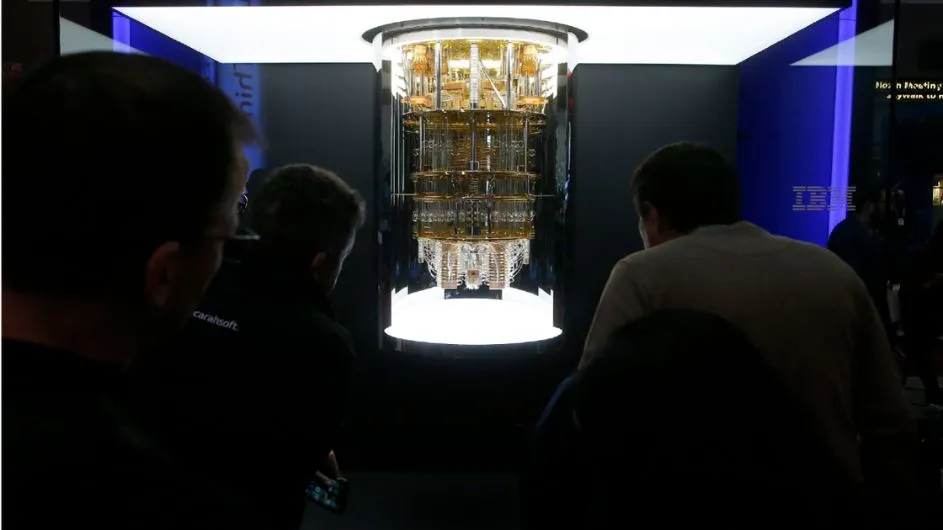
Columbia SIPA Fellow Paul Dabbar and IBM's Darío Gill share their thoughts on the CHIPS Act and its potential impact on quantum technology.
Columbia's David Albert reviews Physics, Structure, and Reality by Jill North
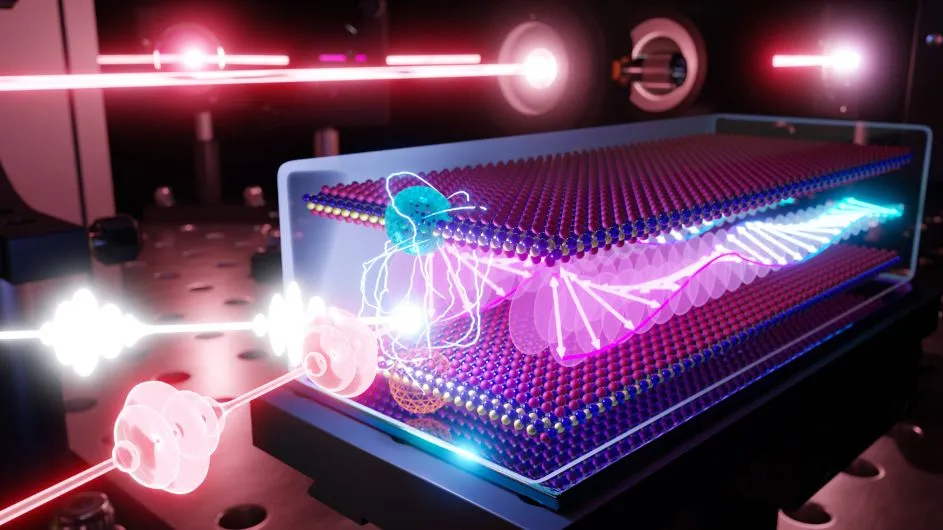
Research shows that spinning quasiparticles, or magnons, light up when paired with a light-emitting quasiparticle, or exciton, with potential quantum information applications.