
A record-breaking superatomic semiconductor material allows particles to traverse it between 100 and 1000 times faster than electrons pass through a silicon chip.
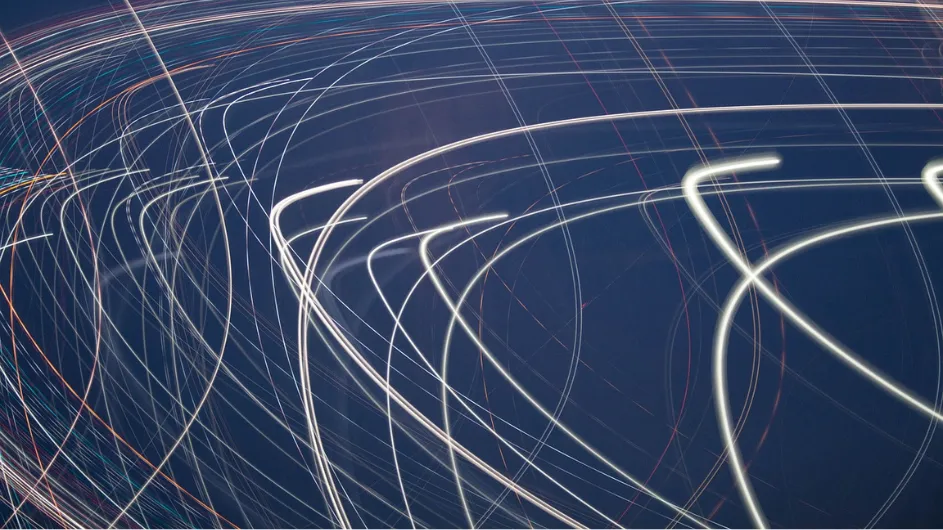
Columbia chemists discover ballistic flow in a quantum material. The finding could help overcome shortcomings in semiconductors.
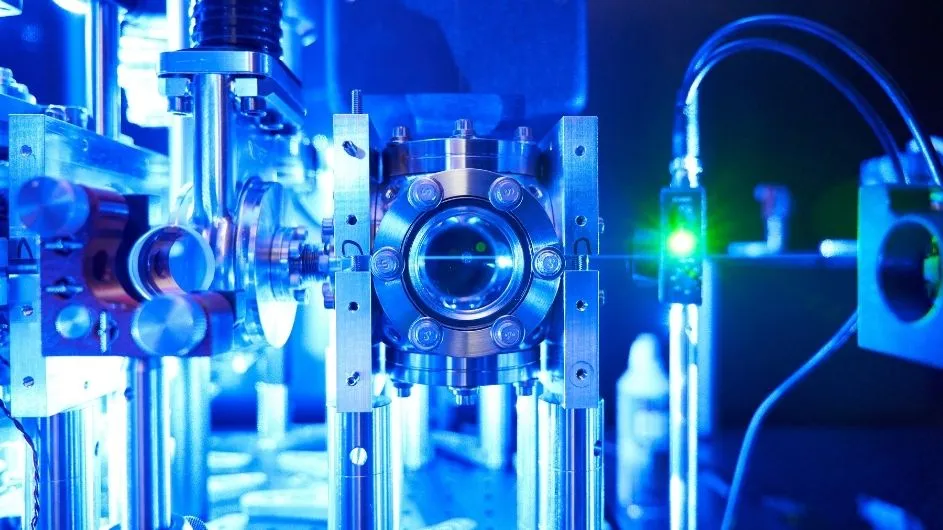
Degree program will combine education in quantum fundamentals with hands-on experience in quantum research labs.
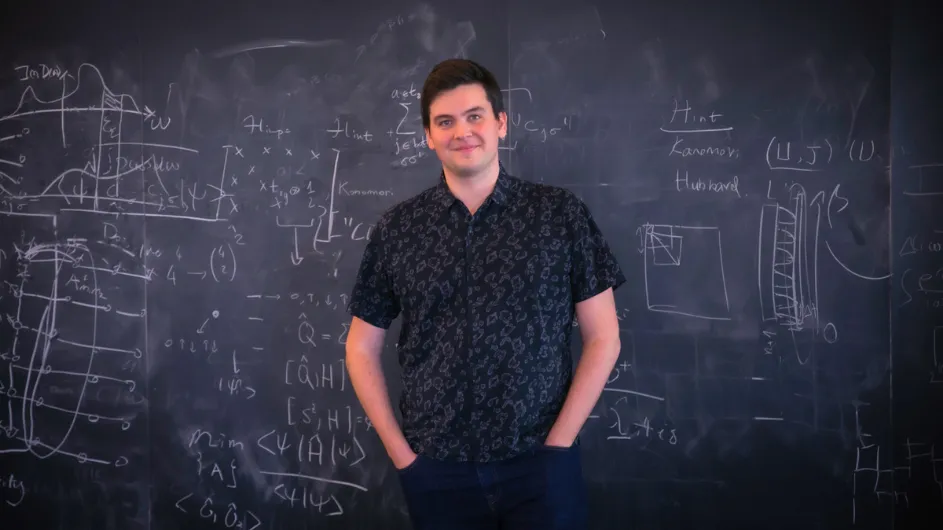
Columbia Physics PhD student Matija Medvidović shares why he uses AI to tackle quantum problems.
In this week’s episode of The Conversation Weekly podcast, Gemma Ware speaks to Louis Brus, one of these new Nobel laureates and an emeritus professor of chemistry at Columbia University in New York, about his work on quantum dots and what winning the accolade means to him
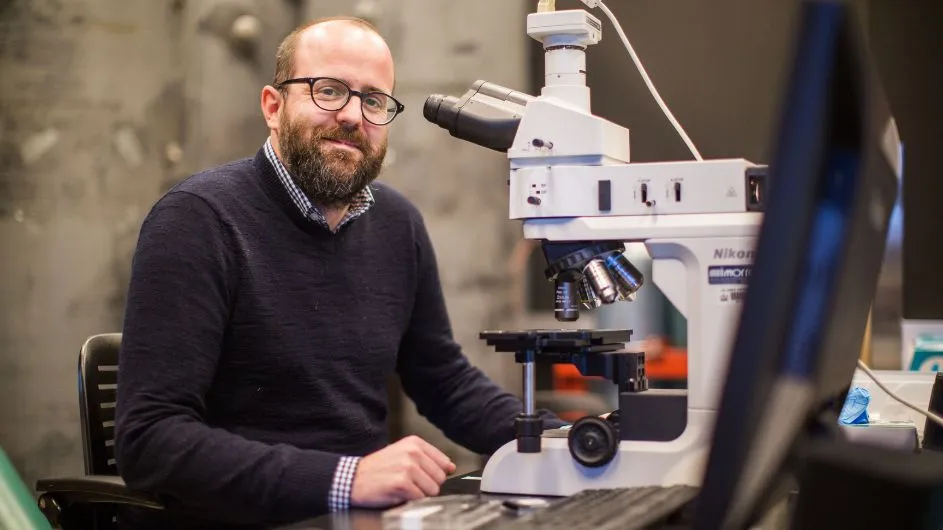
The Columbia physicist was recognized for his contributions to the study of two-dimensional materials and their heterostructures.
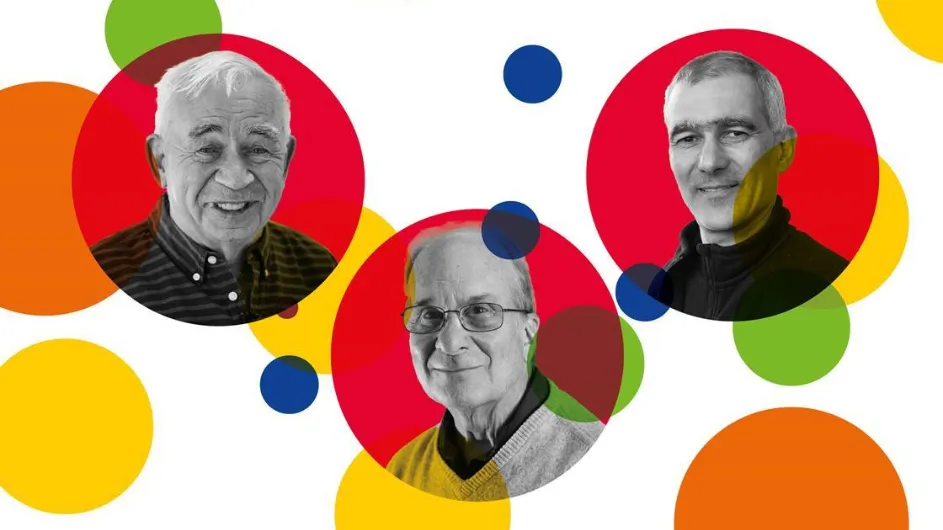
Julia Robinson explains how quantum dots went from a theoretical prediction to everyday reality and earned their creators the 2023 Nobel prize in chemistry
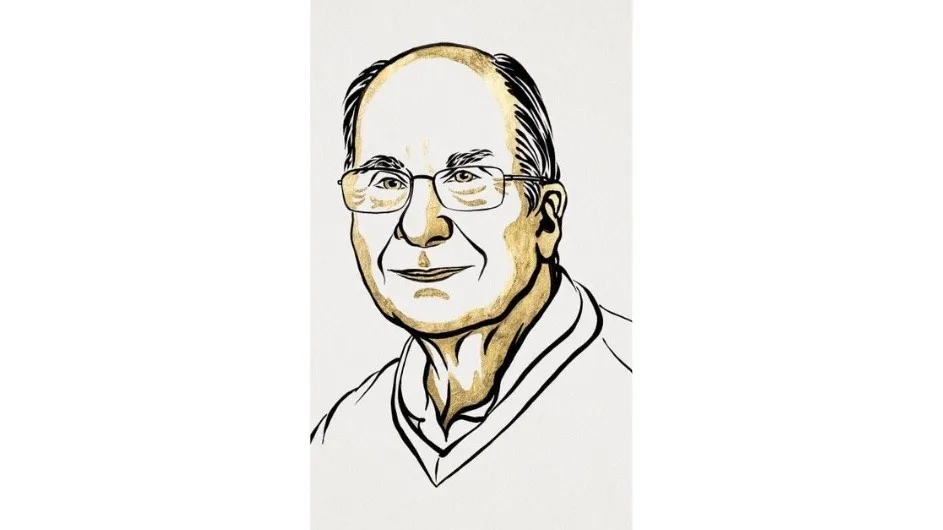
Brus was recognized alongside two other scientists “for the discovery and synthesis of quantum dots.
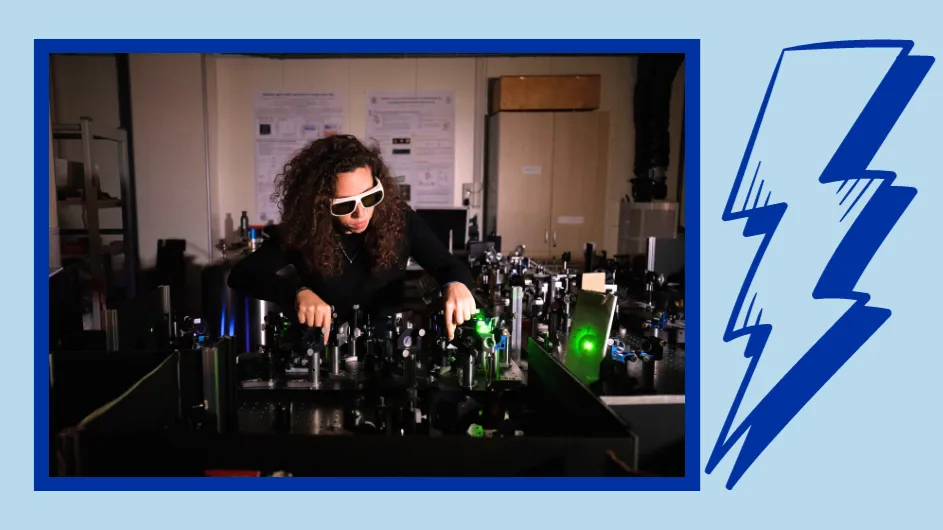
Postdoc Chiara Trovatello wins Best Lightning Talk Award at Department of Energy all-center meeting.
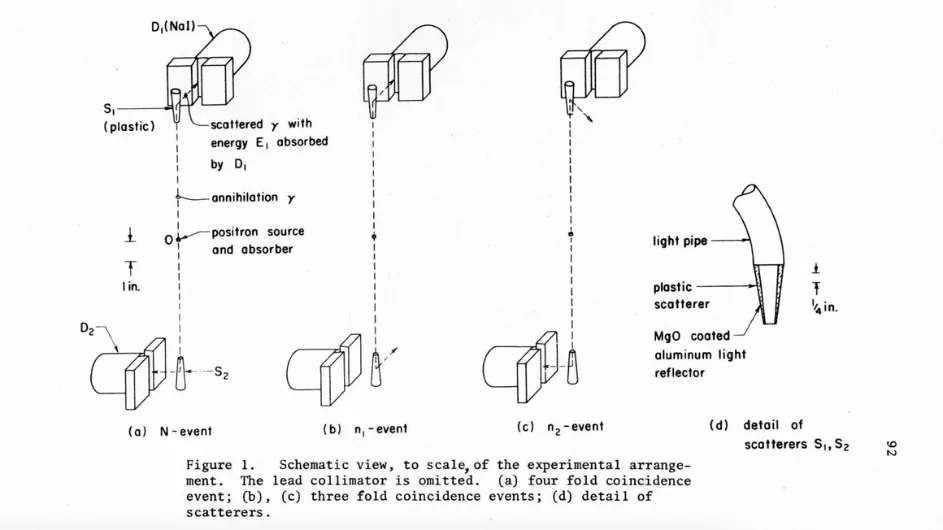
Leonard Kasday's PhD work on quantum entanglement, a subject that won the 2022 Nobel Prize in Physics, is now digitally available.
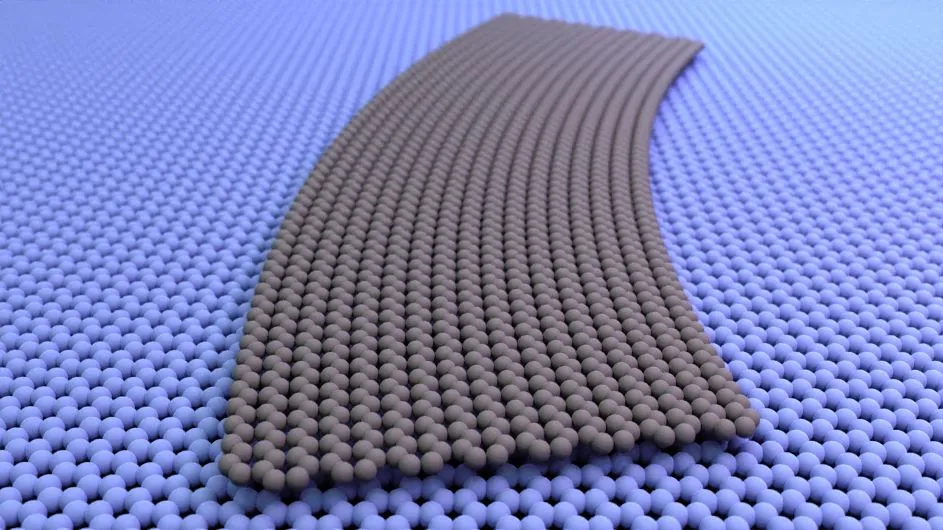
Ribbons of graphene, rather than squares, could make a better platform for probing the unusual electronic effects that arise from twisting and straining adjacent layers of two-dimensional (2D) materials.