
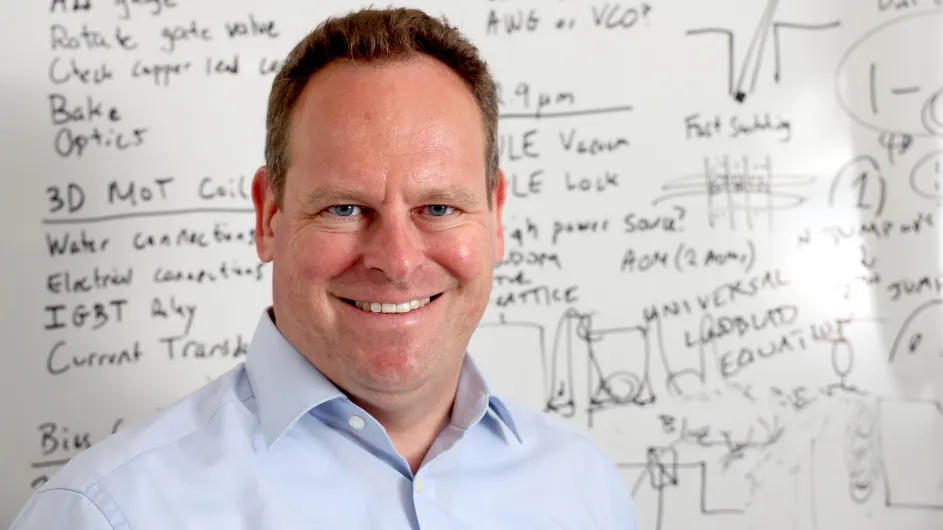
He will receive $1.35 million over five years to develop a new approach to create ultra-precise optical atomic clocks.
The Columbia University Department of Physics and the Center for Computational Quantum Physics (CCQ) announce a joint faculty search for a Condensed Matter Theorist.
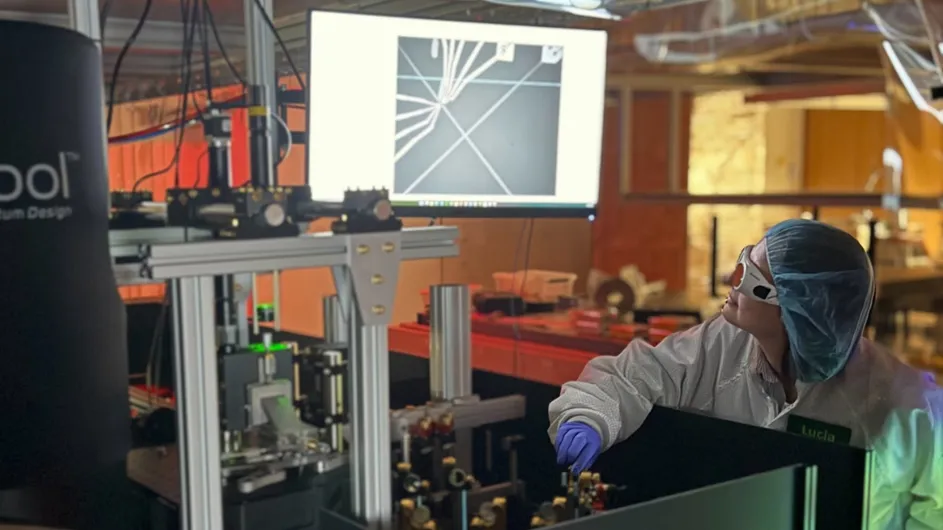
According to Lucia Rondini, they are ‘fizzy’ with quantum objects, popping in and out of existence all the time.
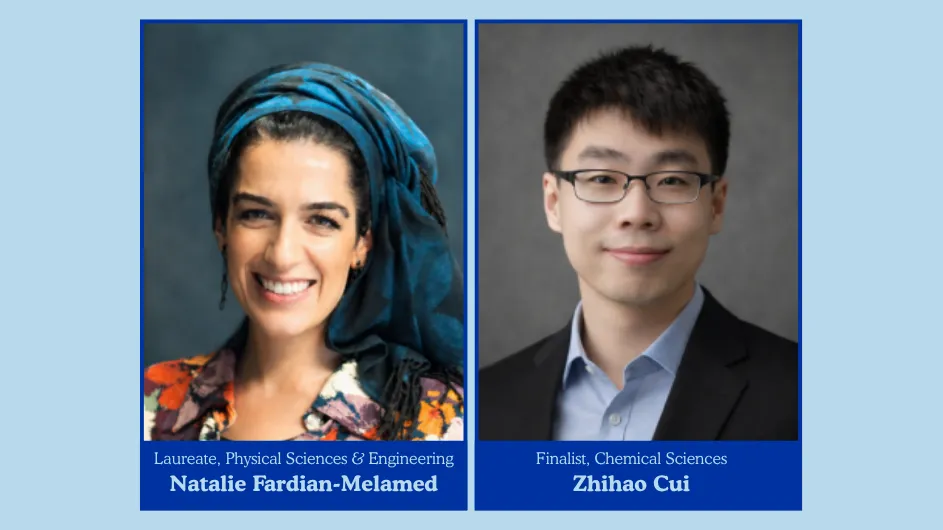
Natalie Fardian-Melamed was named a 2026 Laureate in Physical Sciences & Engineering and Zhihao Cui, a Finalist in Chemical Sciences.
The Physics Department is recruiting two EKA Postdoctoral Fellows for 2027. Learn more and apply.
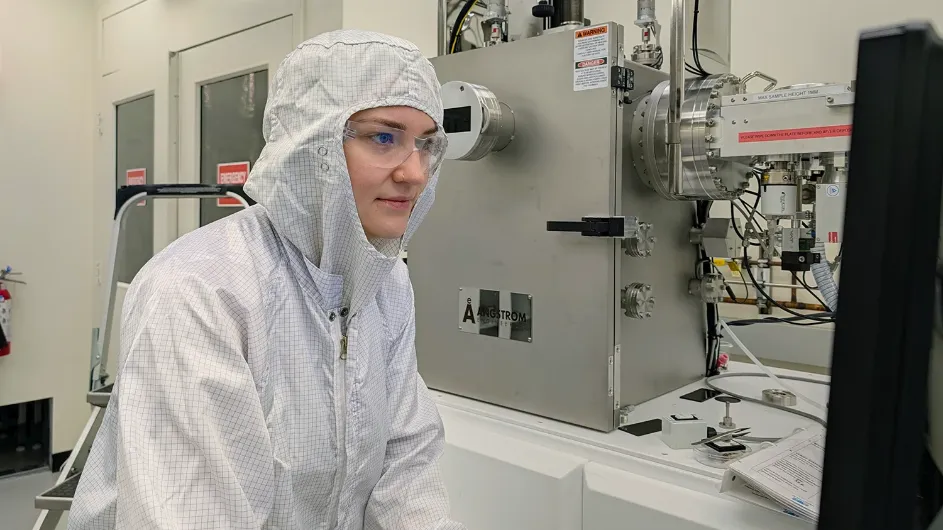
In this CNI Shared Labs User Highlight, Director Jacob Trevino sits down with Kateryna Kusyak, a fifth-year Phd. student working with James McIver in Columbia University's Physics Department.
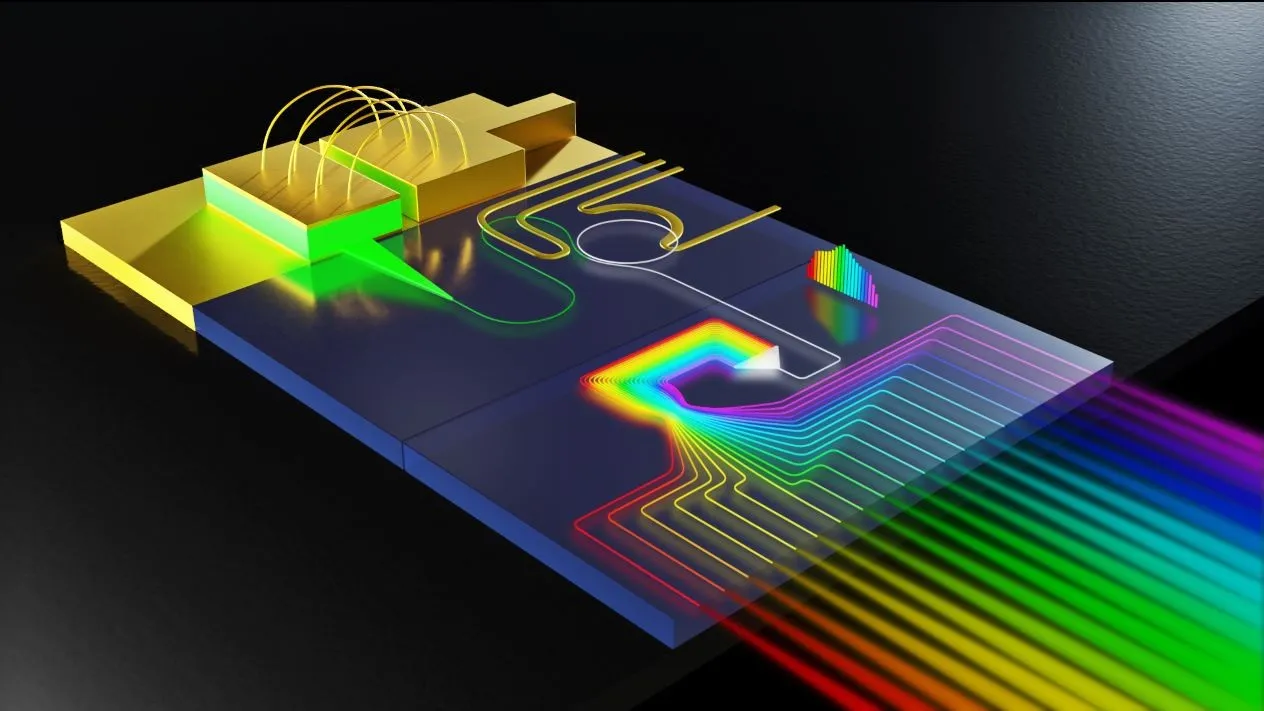
Alexander Gaeta spoke with OPN about implementing this technology for commercial applications.
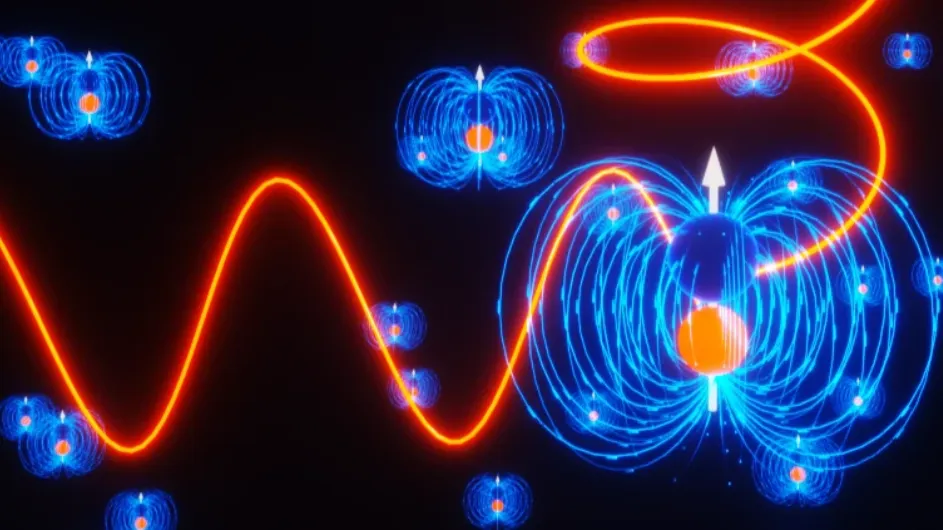
Physicist Sebastian Will has created a new molecular platform for discovering new quantum phenomena.
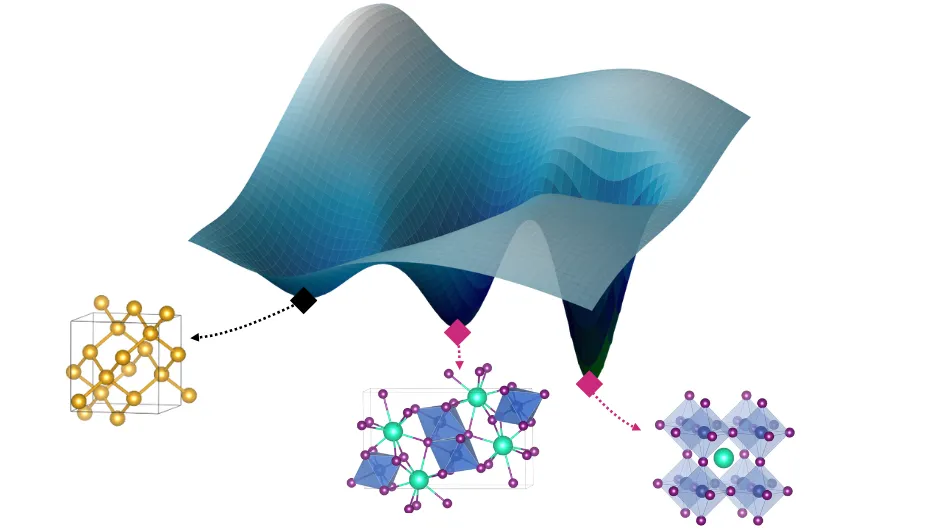
Michele Simoncelli’s group introduces a new benchmark to evaluate how well machine learning models for atomic interactions translate quantum characteristics into macroscopic physical properties.
The Department of Energy covers the foundations of twistronics, including Columbia's contributions.
New research demonstrated a clear advantage for quantum circuits when sampling from specific probability distributions.
John Bostanci (PhD ‘26) explains the research that earned him the Best Paper Award at the 58th ACM Symposium on Theory of Computing.