
The pioneer in nonlinear photonics has been recognized by the American Physical Society for his groundbreaking work.
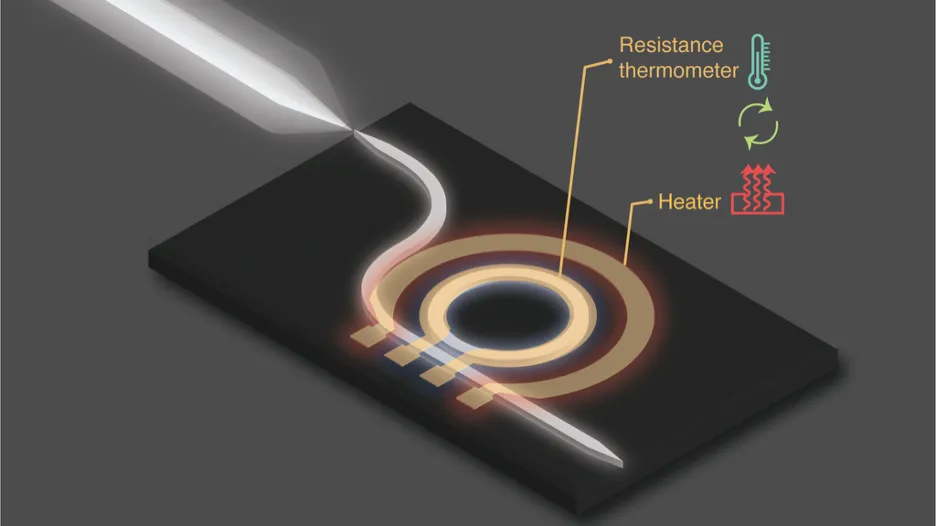
A thin resistor routinely used in photonic devices can also act as a thermometer—a simple feature that could help integrated photonics reach its full potential.

The Columbia postdoc explores the essence of quantum computers and how they might exceed the speed of their classical counterparts

Werkmeister is now a Simons Junior Fellow and Postdoctoral Research Scientist at Columbia, mentored by Aravind Devarakonda and Cory Dean.
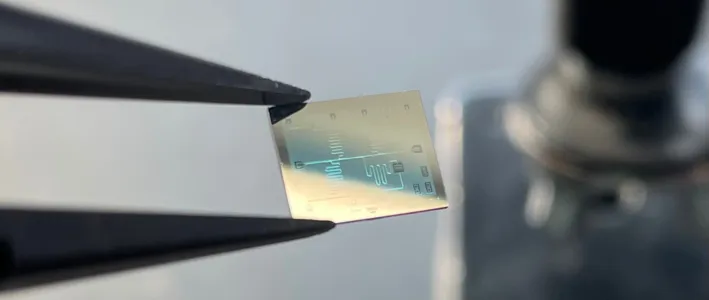
Atom-thin materials expand the options for constructing quantum computer chips while simultaneously shrinking their size.
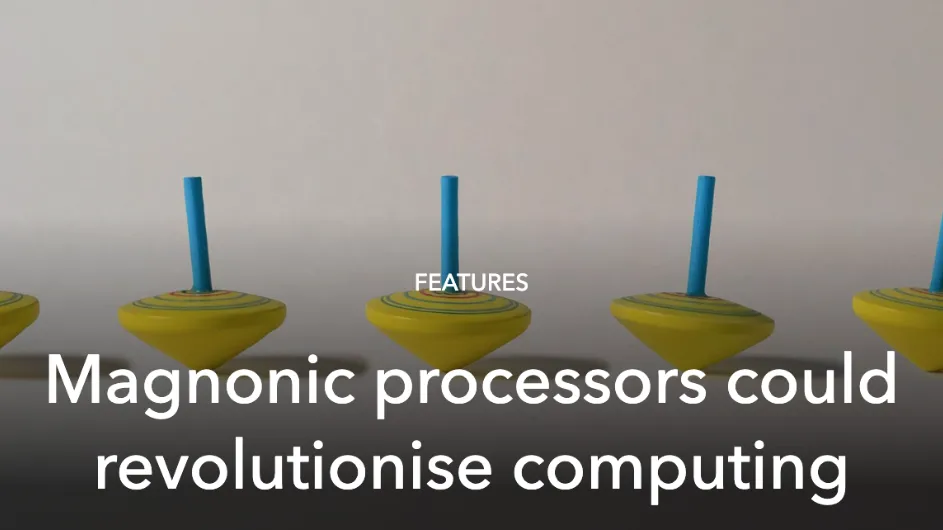
Researchers, including Columbians Xiaoyang Zhu and Xavier Roy, are developing magnonic processors that use magnetic spin waves instead of electric current to process data.
Quantum computers are getting faster. Henry Yuen helps explain their promise and pitfalls to ABC News correspondent Elizabeth Schulze.
2025 marks a century of quantum science research. Learn about Columbia's central role in that history.
It could also help AI data centers move massive amounts of information more effectively.

With THz spectroscopy scaled down to chip-sized, James McIver’s lab has identified a potential new way to control quantum materials.
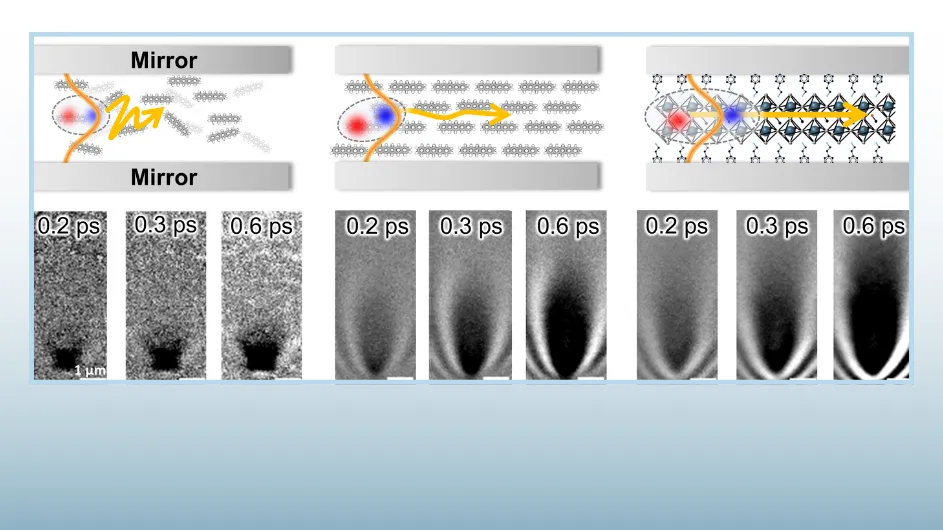
Columbia chemists identify the rules for creating quasiparticles that can power optical computers and quantum devices.
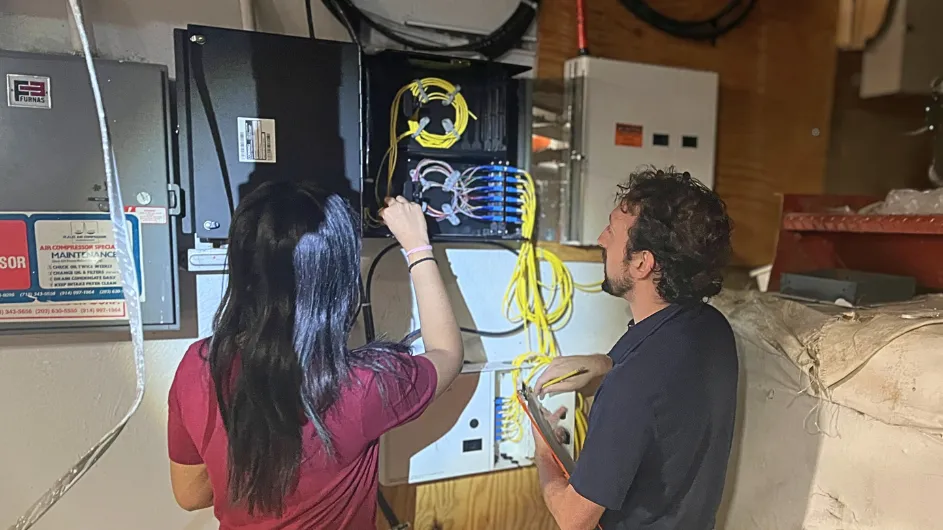
Entangled photons will soon make their way instantaneously across the growing network, which now extends 70 miles from Long Island to Morningside Heights.