
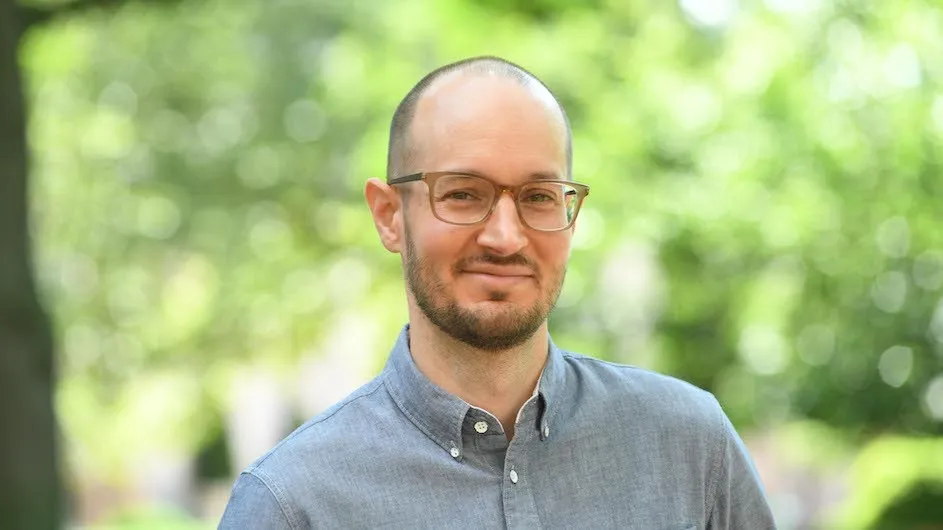
Xavier Roy will use Brown Investigator Award to create “frustrated materials” with unique quantum properties.
This small-grants program was designed to support Schools’ diversity plans, by advancing the career success of outstanding junior faculty who contribute to the diversity goals of the University by their research, teaching, and mentoring activities.
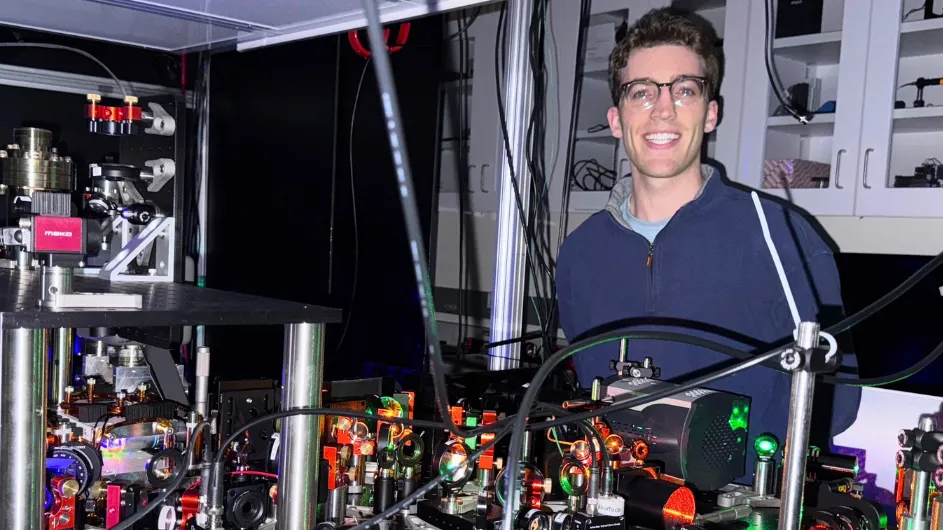
Graduate student Aaron Holman talks about trapping single atoms and putting them to work in emerging quantum technologies
These faculty are within the first five years of their academic careers, have each created an outstanding independent body of scholarship, and are deeply committed to education. Each Camille Dreyfus Teacher-Scholar receives an unrestricted research grant of $100,000.
Chandran is a chemical physics doctoral student working with David Reichman's group at Columbia.
Novel materials could eventually power electric vehicles and more, say Columbia researchers.
Reichman, Centennial Professor of Chemistry at Columbia, is one of 120 new members elected this year.
The academy honors excellence across a wide range of fields, including academia, business, public affairs, and the arts.
Computer Scientist Henry Yuen comments on Quantinuum’s 56-bit trapped-ion computer.
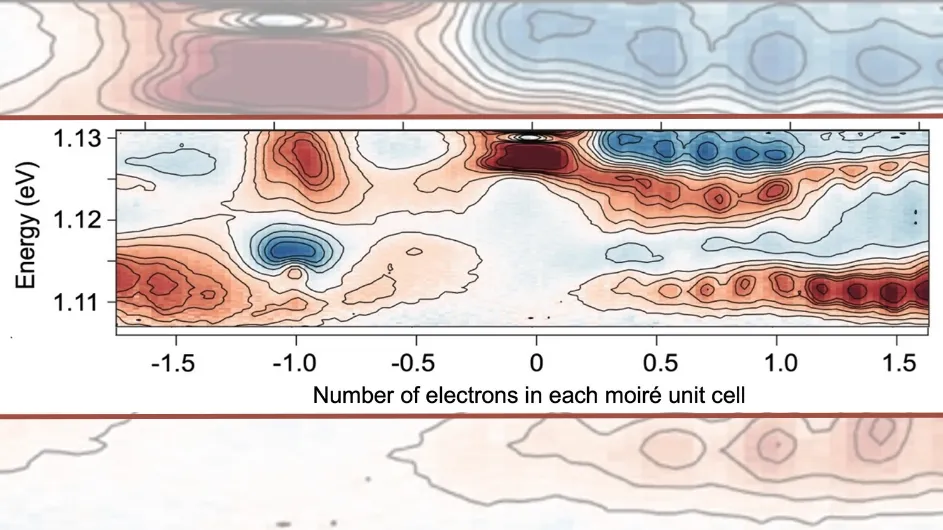
Researchers observe over a dozen never-before-seen quantum states in a unique quantum material.
Yinming Shao and team examined quasiparticles known as excitons, which have unique optical properties and can carry energy without an electrical charge, in a semiconductor material.
From being the only woman in her physics class as an undergraduate to revolutionizing silicon photonics in the industry, Michal Lipson’s journey proves that belief in one’s work can change the future.