
The growing quantum zoo and a powerful new photonic chip made the list.
Watch Henry Yuen breakdown quantum computing to ABC News.
Brus is honored along with Columbia biomedical engineer Elisa Konofagou with the highest professional distinction awarded solely to inventors
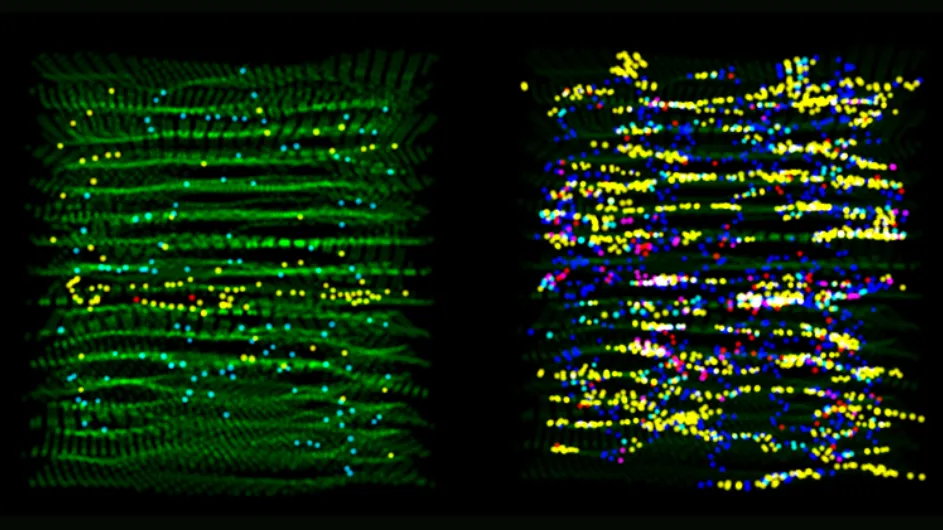
Research led by Michele Simoncelli establishes a new framework that links atomic-scale disorder to heat conduction, paving the way for the theory-driven design and discovery of more efficient heat-shielding materials
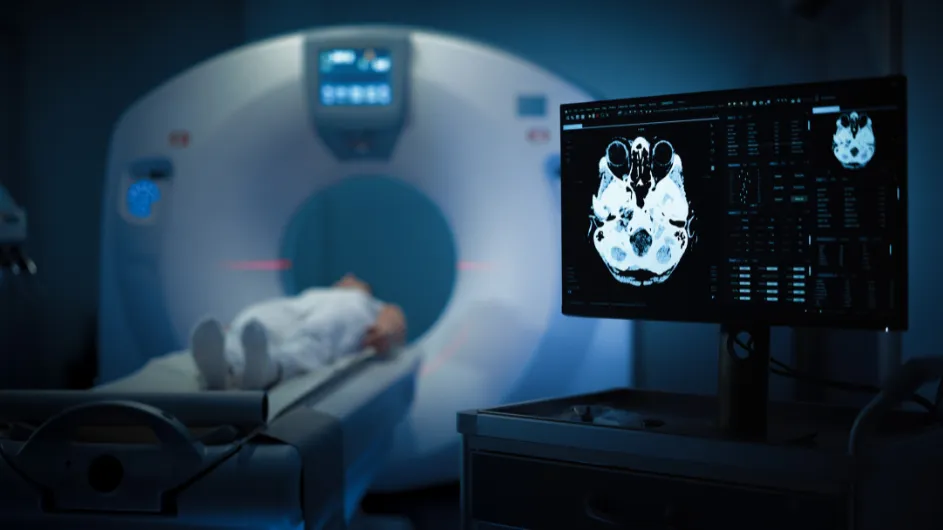
Columbia physicist Isidor Isaac Rabi discovered nuclear magnetic resonance in the 1930s. Today, it lets doctors look inside patients.
The prize was awarded to Simoncelli in Lausanne, Switzerland, with the following citation: “For the development of novel microscopic and mesoscopic theories of thermal transport that find direct application in a better understanding of heat transport and a reduction of energy consumption in various fields.”
When Exposed to Light, Excitons Form on the Surface and in the Bulk of Layered Ultrathin Magnetic CrSBr Films—Fundamental Knowledge Essential for Controlling Them
In 1951, Columbia’s Charles Townes came up with the idea for the device that led to the laser. It earned him a Nobel Prize.
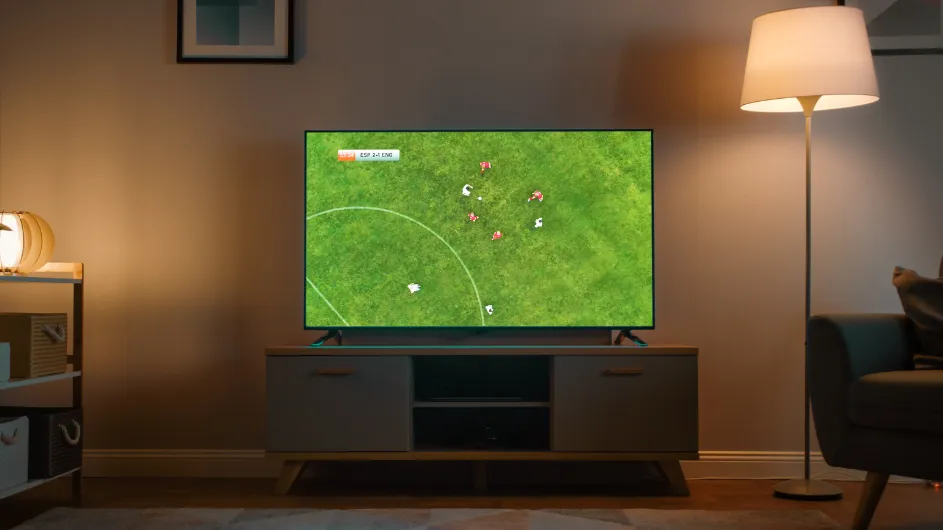
Professor Louis Brus won the 2023 Nobel Prize in Chemistry for his work on quantum dots. Turn on your TV, and you might see some.
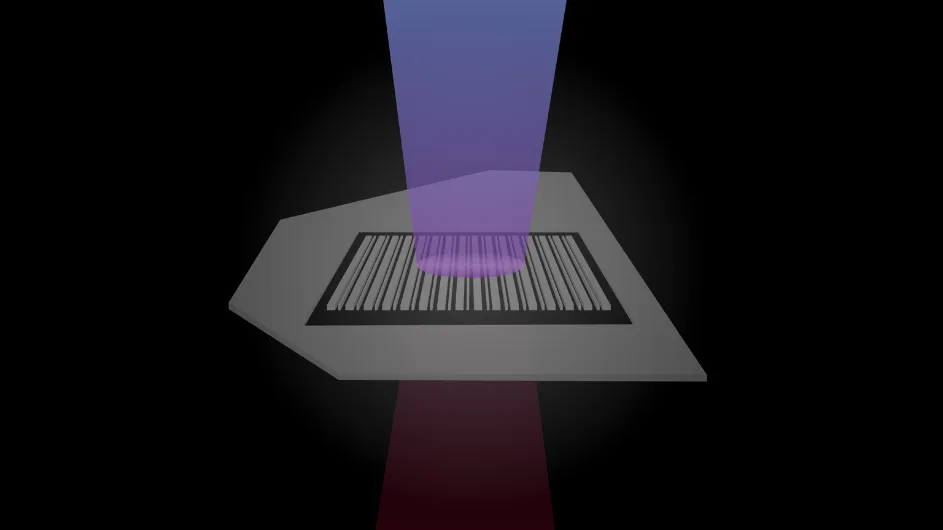
Researchers developed a simple new technique to enhance nonlinear optical properties, and the potential to create entangled photons, without sacrificing size.
Six Columbia Quantum Initiative researchers made Clarivate’s Highly Cited Researcher list this year. Here are a few of their highlights from 2025.
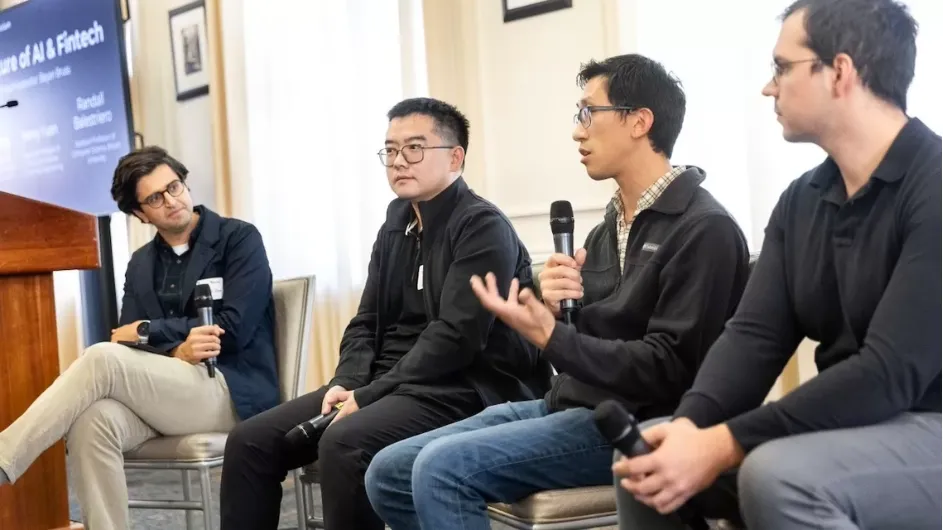
Henry Yuen discusses quantum computing at the Center for AI and Responsible Financial Innovation and Capital One Symposium.