
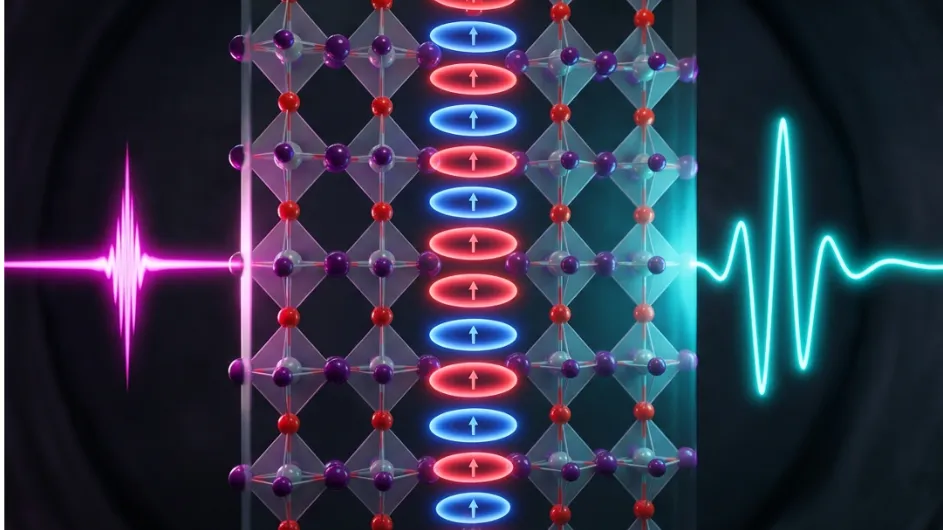
The observed polarization waves advance the emerging field of ferronics, with implications from quantum technologies to telecommunications.
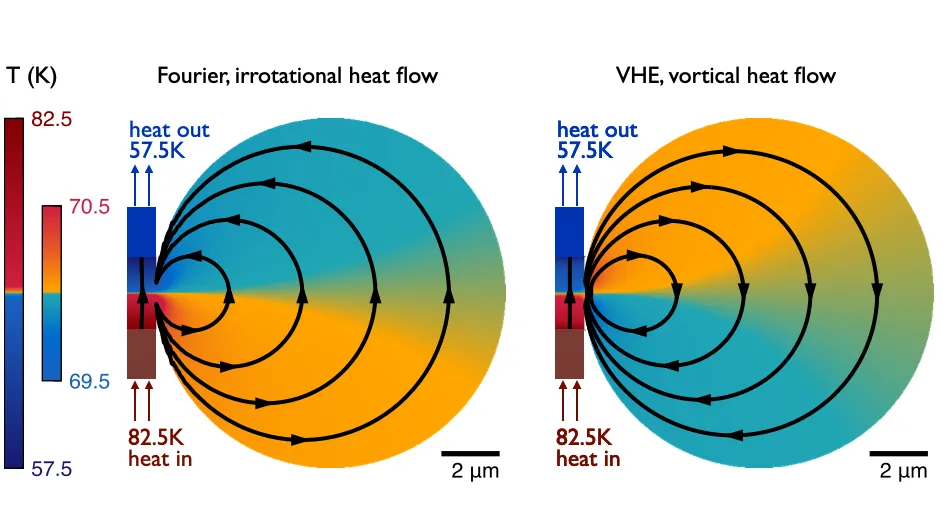
A new study shows that layered crystals such as graphite and hBN can support fluid-like heat vortices and resonant temperature waves, opening new possibilities for controlling thermal signals.
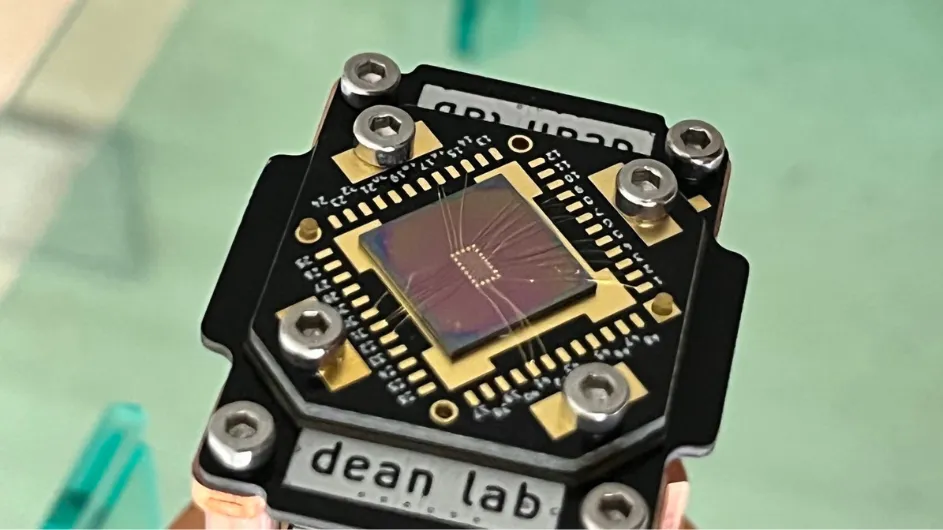
New research confirms that tungsten diselenide (WSe2) is a reproducible platform to explore the origins of frictionless flow.
Led by DSI member Henry Yuen, a new multi-university grant from the Air Force Office of Scientific Research will examine whether larger quantum operations could reduce errors and make future quantum computers more practical.
Strong and tunable long-range dipolar interactions could help probe the behavior of supersolids and other quantum phases of matter.
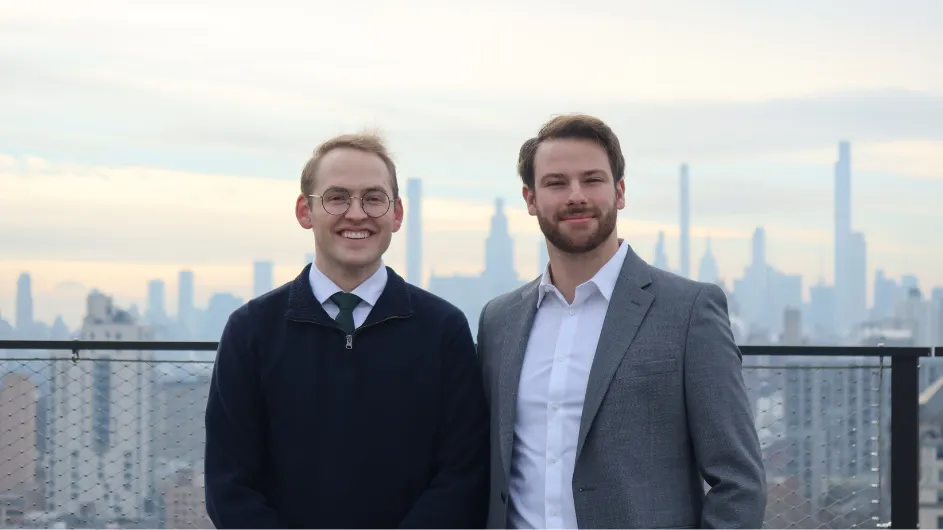
Graduate students Nick Olsen and Luke Holtzman launched Tessellate 2D to produce 2D semiconductors at scale.
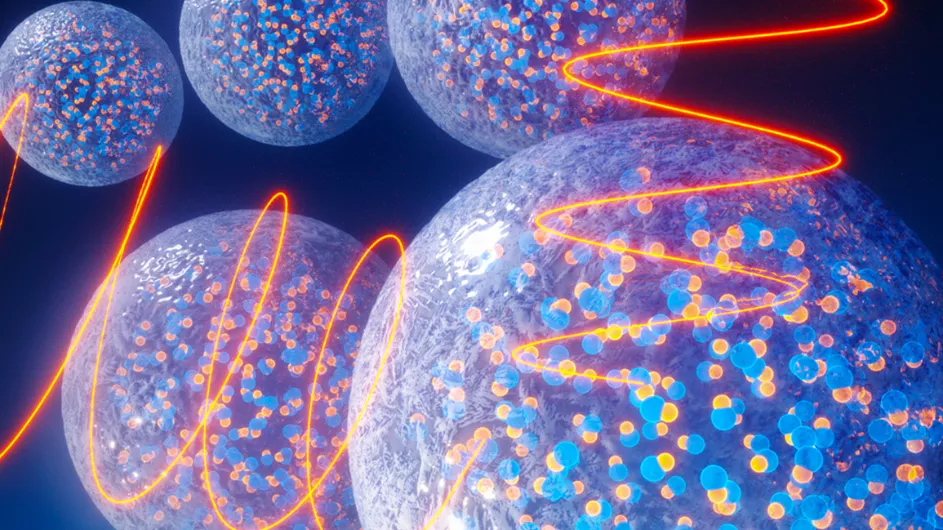
They open up a new world of quantum physics that researchers can uniquely control.
The recipients, Gilles Brassard and Charles Bennett, note Columbia graduate student Stephen Wiesner's ideas about "quantum money."
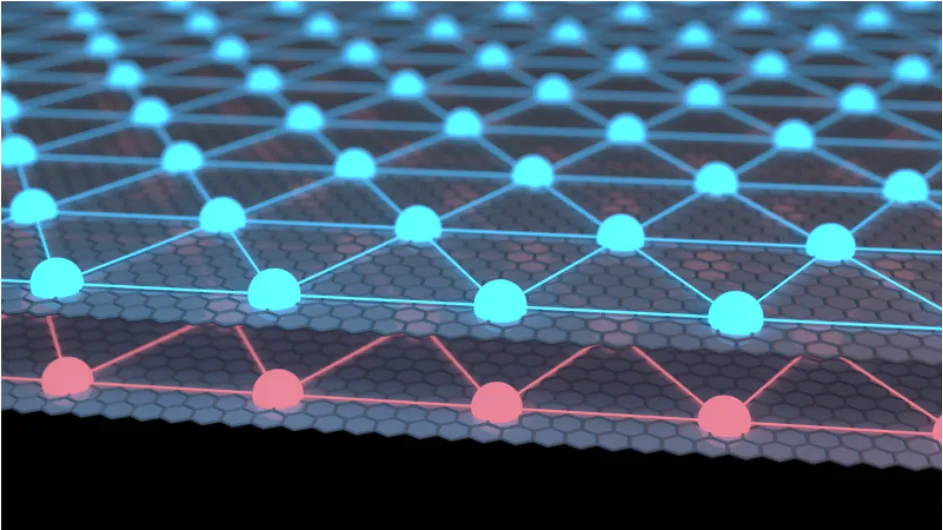
Physicists at Columbia University say they may have found evidence for a phenomenon in which a superfluid suddenly stops flowing inside a solid-state material
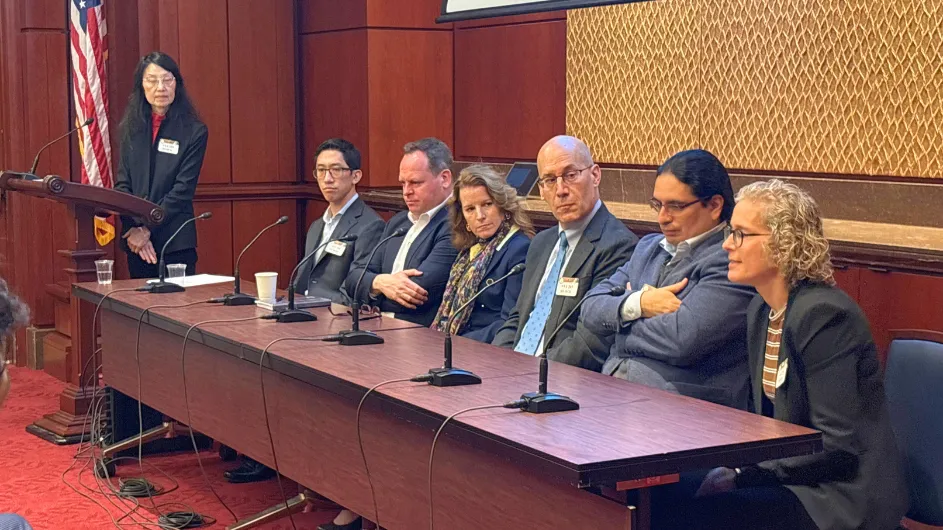
Universities will be critical to keeping America at the forefront of this rapidly advancing field, says research panel.
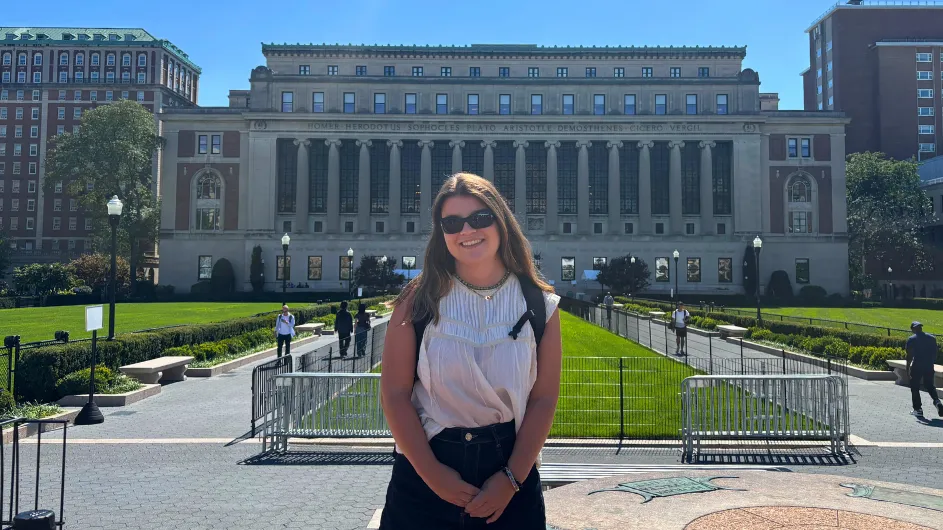
Antonella Navarro shares how she tries to find balance. Her tip? Block your calendar with an "MFA:" Mandatory Fun Activity.